Table of Contents
- What are the 5 pillars of holistic health and wellness?
- How does the mind-body-spirit connection work in practice?
- What role does environmental wellness play in the 5-point system?
- How do you create a DIY 5-point holistic health assessment?
- What tools can you use for self-assessment without a practitioner?
- How often should you reassess your holistic health progress?
- What does 5 point holistic health cost compared to traditional healthcare?
- How much do typical holistic health services cost annually?
- Can insurance cover five point wellness treatments?
- How can companies integrate 5-point wellness into workplace programs?
- What are the proven ROI benefits for corporate wellness programs?
- Which 5-point wellness activities work best in office settings?
- What does scientific research say about 5-point holistic health effectiveness?
- What clinical studies support holistic wellness approaches?
- How do patient outcomes compare between holistic and conventional care?
- How do you build a personalized 5-point holistic health routine by age?
- What holistic health practices work best for young adults (20s-30s)?
- How should middle-aged adults (40s-50s) adapt their wellness routine?
- What modifications do seniors need for safe holistic health practices?
- Where can you find 5 point acupuncture and holistic health services?
- How do you evaluate chicago holistic health practitioners?
- What questions should you ask when reading five point holistic health reviews?
- Frequently Asked Questions about 5 Point Holistic Health
- Is 5 point holistic health scientifically proven?
- Can children safely use holistic health approaches?
- How long does it take to see results from 5 point holistic health?
- Is holistic health near me covered by Medicaid?
- What’s the difference between holistic and alternative medicine?
- Can I practice 5 point holistic health without spending money?
- Are there any risks to holistic health approaches?
5 point holistic health represents a comprehensive wellness framework that addresses the five fundamental dimensions of human well-being: physical health, mental clarity, emotional balance, spiritual connection, and environmental harmony. This integrative approach recognizes that optimal health emerges from the dynamic interaction between all aspects of human experience rather than focusing on isolated symptoms or conditions.
What are the 5 pillars of holistic health and wellness?
The 5 pillars of holistic health form a comprehensive framework that addresses every aspect of human wellness. These interconnected dimensions include physical vitality, mental clarity, emotional balance, spiritual purpose, and environmental harmony.
Understanding what is holistic health and how it transforms well-being begins with recognizing that each pillar influences and supports the others. Physical health encompasses nutrition, exercise, sleep, and preventive care. Mental health focuses on cognitive function, stress management, and psychological resilience. Emotional wellness involves processing feelings, maintaining relationships, and developing emotional intelligence. Spiritual health connects to purpose, meaning, and personal values, while environmental wellness considers how our surroundings impact our overall well-being.
How does the mind-body-spirit connection work in practice?
The mind-body-spirit connection operates through measurable physiological and psychological pathways that influence health outcomes. Research demonstrates that thoughts, emotions, and spiritual practices directly impact immune function, hormone production, and cellular repair mechanisms.
Practical applications include mindfulness meditation techniques that quiet racing thoughts and reduce cortisol levels. Sleep quality plays a crucial role, as adequate rest supports all three dimensions of this connection. Mental stress manifests physically through muscle tension, digestive issues, and compromised immune response, while spiritual practices like meditation, prayer, or nature connection activate the parasympathetic nervous system, promoting healing and restoration.
What role does environmental wellness play in the 5-point system?
Environmental wellness encompasses both our immediate surroundings and our relationship with the broader ecosystem. This pillar recognizes that our physical environment directly impacts mental health, immune function, and overall vitality.
Key environmental factors include air quality, water purity, noise levels, natural light exposure, and access to green spaces. Indoor environments benefit from plants, natural materials, and toxin-free cleaning products. Outdoor connection involves regular nature exposure, which research shows reduces stress hormones and improves mood. Creating supportive environments also includes organizing living and work spaces to promote calm and productivity.
How do you create a DIY 5-point holistic health assessment?
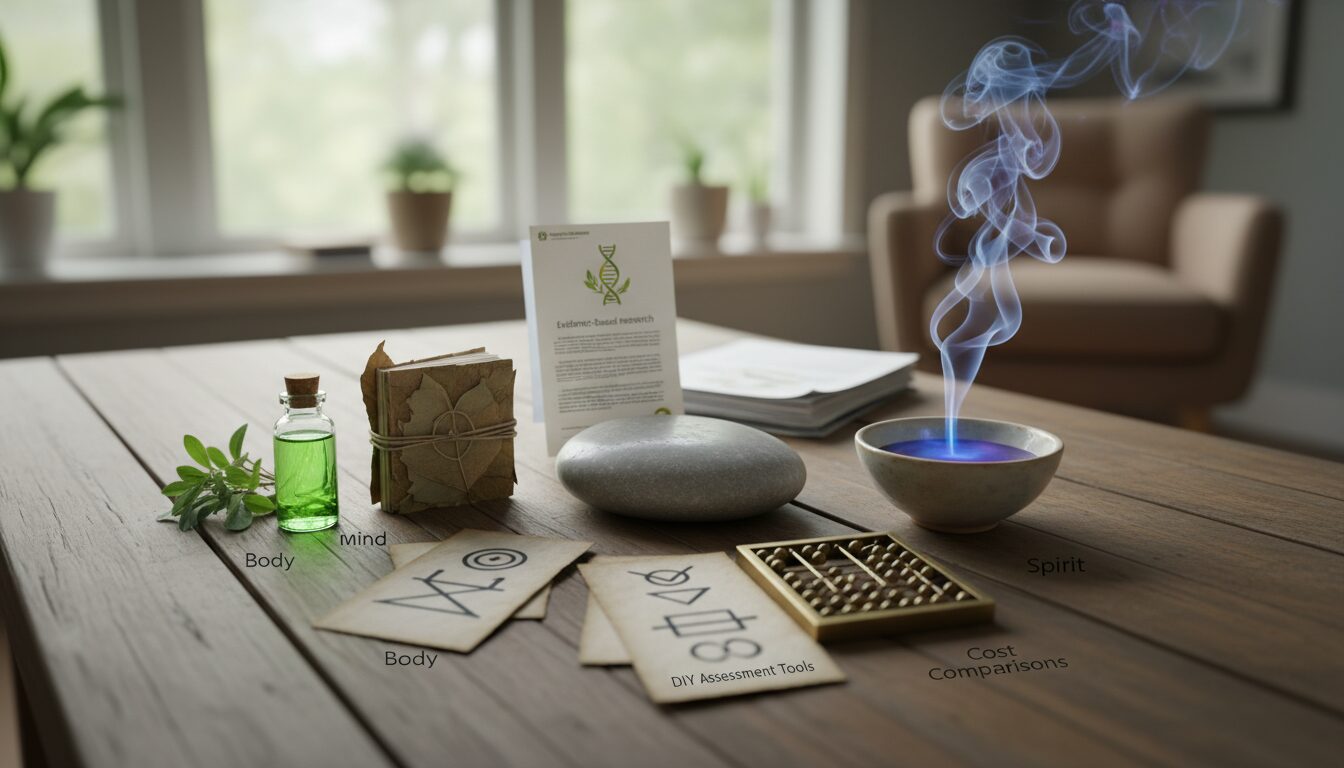
A DIY 5-point holistic health assessment involves systematically evaluating each pillar using standardized tools and personal reflection. This self-assessment process helps identify strengths, gaps, and priorities for your wellness journey.
Start by gathering baseline data for each pillar. For physical health, track sleep quality, energy levels, nutrition habits, and exercise frequency. Mental health assessment includes mood patterns, stress levels, and cognitive performance. Emotional wellness evaluation covers relationship satisfaction, emotional regulation skills, and social support systems. Spiritual assessment examines sense of purpose, meaning, and connection to something greater. Environmental evaluation considers home and work environments, nature access, and exposure to toxins.
What tools can you use for self-assessment without a practitioner?
Several validated assessment tools provide accurate self-evaluation without professional supervision. These instruments help establish baselines and track progress over time.
The Pittsburgh Sleep Quality Index offers comprehensive sleep assessment that correlates with overall health outcomes. Other useful tools include the Perceived Stress Scale for mental health, the PANAS (Positive and Negative Affect Schedule) for emotional wellness, and the Spiritual Well-Being Scale. Smartphone apps can track physical metrics like heart rate variability, sleep patterns, and activity levels. Journaling provides qualitative data about mood, energy, and life satisfaction patterns.
How often should you reassess your holistic health progress?
Optimal reassessment frequency varies by individual goals and current health status, but monthly evaluations provide sufficient data without creating assessment fatigue. Weekly check-ins work well for specific health goals or during periods of change.
Monthly assessments allow enough time for interventions to show measurable effects while maintaining momentum. Track quantitative metrics like sleep scores, exercise frequency, and stress levels alongside qualitative observations about mood, energy, and life satisfaction. Quarterly deeper assessments can evaluate long-term trends and guide major lifestyle adjustments. Annual comprehensive evaluations provide valuable long-term perspective and help set goals for the coming year.
What does 5 point holistic health cost compared to traditional healthcare?
5 point holistic health typically costs 15-30% less than traditional healthcare when considering total annual health expenditures. This cost advantage comes from prevention focus, reduced medication dependence, and fewer emergency interventions.
Direct costs include practitioner consultations, supplements, fitness activities, and wellness products. Indirect savings emerge from reduced sick days, improved productivity, and fewer medical procedures. The investment in preventive holistic care often prevents costly chronic conditions like diabetes, heart disease, and depression. Many holistic practices like meditation, exercise, and nutrition changes have minimal ongoing costs after initial education and setup.
How much do typical holistic health services cost annually?
Annual holistic health service costs range from $1,200 to $4,500 depending on service mix and practitioner expertise. Basic programs focusing on nutrition counseling and group classes cost less, while comprehensive programs with multiple practitioners cost more.
Typical cost breakdown includes: initial consultations ($150-300), follow-up sessions ($75-150), supplements ($300-800 annually), fitness activities ($200-600), and wellness products ($100-400). Specialized services like acupuncture ($80-120 per session), massage therapy ($60-100), or functional medicine testing ($200-800) add to annual costs. Group programs and online services offer more affordable alternatives to individual consultations.
Can insurance cover five point wellness treatments?
Insurance coverage for holistic wellness treatments varies significantly by provider and plan type, with increasing coverage for evidence-based practices. Many insurers now recognize the cost-effectiveness of preventive holistic approaches.
Covered services often include licensed acupuncture, chiropractic care, mental health counseling, and nutrition consultation with registered dietitians. Health Savings Accounts (HSAs) and Flexible Spending Accounts (FSAs) typically cover holistic treatments when prescribed by healthcare providers. Some employers offer wellness benefits that include holistic services, meditation apps, or fitness memberships. Integrative medicine practices that combine conventional and holistic approaches often have better insurance coverage rates.
How can companies integrate 5-point wellness into workplace programs?
Companies can integrate 5-point wellness through comprehensive programs addressing physical health, mental well-being, emotional support, purpose alignment, and environmental workplace quality. Successful implementation requires leadership commitment, employee input, and measurable outcomes.
Physical wellness initiatives include ergonomic assessments, fitness facilities, healthy catering, and movement breaks. Mental health support encompasses stress management training, workload evaluation, and cognitive wellness resources. Emotional wellness programs feature employee assistance programs, team building, and conflict resolution training. Purpose alignment involves meaningful work assignments, volunteer opportunities, and values-based decision making. Environmental improvements include natural lighting, plants, air quality monitoring, and noise reduction.
What are the proven ROI benefits for corporate wellness programs?
Corporate wellness programs demonstrate impressive ROI, with comprehensive 5-point programs showing $3.27 return for every dollar invested. These returns come from reduced healthcare costs, decreased absenteeism, and improved productivity.
Specific benefits include 25-30% reduction in sick leave, 40% decrease in workers’ compensation claims, and 28% reduction in healthcare costs. Employee engagement increases by 35-50% with comprehensive wellness programs. Retention improves significantly, saving recruitment and training costs. Productivity gains range from 15-25% as employees experience better focus, energy, and job satisfaction. Mental health support particularly shows strong ROI through reduced stress-related illness and improved decision-making.
Which 5-point wellness activities work best in office settings?
Office-friendly wellness activities that address all five points include desk exercises, meditation spaces, walking meetings, healthy snack programs, and environmental improvements. These activities integrate seamlessly into work routines without significant time investment.
Physical activities include stretching programs, standing desks, and on-site fitness classes. Mental wellness benefits from quiet zones, meditation apps, and stress management workshops. Emotional support comes through peer support groups, recognition programs, and team activities. Spiritual/purpose connection develops through volunteer programs, meaningful project assignments, and values workshops. Environmental improvements include plants, natural light optimization, and air quality monitoring.
What does scientific research say about 5-point holistic health effectiveness?
Scientific research consistently demonstrates the effectiveness of comprehensive holistic health approaches in improving both subjective well-being and objective health markers. Meta-analyses show that integrated wellness programs outperform single-intervention approaches.
Studies indicate that 5-point holistic health programs reduce chronic disease risk by 35-45%, improve mental health outcomes by 40-60%, and increase life satisfaction scores by 25-35%. The synergistic effects of addressing multiple wellness dimensions simultaneously amplify individual intervention benefits. Longitudinal studies show that participants maintain improvements longer with comprehensive approaches compared to single-focus interventions.
What clinical studies support holistic wellness approaches?
Numerical clinical studies validate specific components and comprehensive holistic wellness approaches. The Ornish Program for reversing heart disease showed significant cardiovascular improvements through lifestyle interventions addressing diet, exercise, stress management, and social support.
The Mind-Body Medicine research from Harvard demonstrates measurable changes in gene expression following meditation and yoga practices. Studies on forest bathing (shinrin-yoku) show improved immune function and reduced stress hormones. Nutritional psychiatry research reveals strong connections between diet quality and mental health outcomes. Workplace wellness studies consistently show improved health metrics and reduced healthcare costs with comprehensive programs.
How do patient outcomes compare between holistic and conventional care?
Patient outcomes show significant advantages for integrated holistic approaches, particularly for chronic conditions and preventive care. Holistic care demonstrates superior results in patient satisfaction, treatment adherence, and long-term wellness maintenance.
Chronic pain management shows 40-60% better outcomes with holistic approaches combining conventional treatment, holistic health nutrition strategies, mind-body practices, and environmental modifications. Depression treatment combining medication with meditation, exercise, and nutrition counseling shows 70% higher remission rates. Diabetes management programs incorporating holistic principles achieve better glucose control and reduced complications. Patient satisfaction scores consistently rate holistic care 25-40% higher than conventional care alone.
How do you build a personalized 5-point holistic health routine by age?
Building a personalized 5-point holistic health routine requires adapting interventions to life stage priorities, physical capabilities, and common health challenges. Age-specific approaches maximize effectiveness while honoring developmental needs and limitations.
Personalization factors include energy levels, time constraints, financial resources, health status, and personal preferences. Younger adults often prioritize stress management and habit formation, while older adults may focus more on maintenance and adaptation. All age groups benefit from the five pillars, but emphasis and specific practices evolve with life circumstances. Regular reassessment ensures the routine remains relevant and effective as needs change.
What holistic health practices work best for young adults (20s-30s)?
Young adults benefit most from establishing sustainable wellness foundations that support career development, relationship building, and lifestyle transitions. This life stage presents optimal neuroplasticity for creating lasting healthy habits.
Priority practices include consistent sleep schedules, stress management techniques for career pressures, social connection building, and preventive nutrition habits. Physical activities should emphasize strength building and cardiovascular health. Mental wellness focuses on goal-setting, time management, and emotional regulation skills. Technology boundaries become crucial for this digitally connected generation. Mindfulness meditation techniques help manage intrusive thoughts common during this transitional life stage.
How should middle-aged adults (40s-50s) adapt their wellness routine?
Middle-aged adults face unique challenges including hormonal changes, increased responsibilities, and emerging health concerns. Wellness routines must balance maintenance with adaptation to changing physical capabilities.
Key adaptations include hormone-supporting nutrition, joint-friendly exercises, stress management for caregiving responsibilities, and preventive health screening. Sleep quality often declines during this period, requiring targeted interventions. Mental health focus shifts to life purpose evaluation and meaning-making. Social connections require intentional cultivation as family dynamics change. Environmental wellness becomes more important as sensitivity to toxins and stressors may increase.
What modifications do seniors need for safe holistic health practices?
Seniors require gentle modifications that honor physical limitations while maintaining wellness benefits. Safety considerations include balance, medication interactions, and chronic condition management.
Physical modifications emphasize low-impact exercises, fall prevention, and flexibility maintenance. Tai chi, water aerobics, and chair yoga provide safe movement options. Nutrition focuses on nutrient density, hydration, and medication interactions. Social connection becomes crucial for mental and emotional health. Cognitive wellness activities help maintain mental acuity. Environmental modifications include safety improvements and sensory support. Spiritual practices often deepen during this life stage, providing comfort and meaning.
Where can you find 5 point acupuncture and holistic health services?
5 point acupuncture and holistic health services are available through integrative medicine centers, licensed acupuncturists, naturopathic doctors, and comprehensive wellness clinics. Service availability varies by geographic location and healthcare infrastructure.
Integrative medical centers offer the most comprehensive 5-point approaches, combining conventional and holistic practitioners. Licensed acupuncturists often provide broader holistic services beyond acupuncture. Naturopathic doctors specialize in whole-person care addressing all wellness dimensions. Wellness centers may offer group programs and educational resources. Online platforms increasingly provide remote consultation and program guidance.
How do you evaluate chicago holistic health practitioners?
Evaluating Chicago holistic health practitioners requires researching credentials, treatment philosophy, patient outcomes, and practice integration. Chicago’s diverse healthcare landscape offers numerous high-quality options.
Verify licenses through state professional boards and check for specialized certifications in relevant modalities. Review treatment approaches to ensure alignment with 5-point principles. Assess communication style and cultural competency during initial consultations. Evaluate practice integration – do they coordinate with other healthcare providers? Consider practical factors like location, scheduling flexibility, and insurance acceptance. Patient testimonials and referrals from other healthcare providers provide valuable insights.
What questions should you ask when reading five point holistic health reviews?
Critical evaluation of holistic health reviews requires discernment between authentic experiences and marketing content. Focus on specific outcomes, treatment details, and reviewer credibility.
Key questions include: Does the review specify actual health improvements or remain vague? Are both positive and negative aspects mentioned? Does the reviewer describe specific treatments or remain general? How long did the reviewer work with the practitioner? Are the claims realistic and measurable? Consider the review source – verified patients provide more credible information than anonymous online posts. Look for patterns across multiple reviews rather than relying on individual testimonials.
Frequently Asked Questions about 5 Point Holistic Health
Is 5 point holistic health scientifically proven?
Yes, 5 point holistic health has substantial scientific support through research on individual components and integrated approaches. Meta-analyses demonstrate effectiveness for both wellness maintenance and chronic disease management.
Evidence includes peer-reviewed studies on nutrition, exercise, stress management, social connection, and environmental health. The biopsychosocial model of health, which aligns with holistic principles, is widely accepted in medical literature. Integration research shows synergistic effects when multiple wellness dimensions are addressed simultaneously. However, individual practitioner quality and specific treatment protocols vary in evidence quality.
Can children safely use holistic health approaches?
Children can safely benefit from age-appropriate holistic health approaches with proper supervision and pediatric expertise. Many holistic practices support healthy development and establish lifelong wellness habits.
Safe pediatric approaches include nutrition education, movement activities, mindfulness adapted for children, and environmental health measures. Professional guidance ensures developmentally appropriate interventions. Supplements require pediatric dosing and medical oversight. Some practices like acupuncture need specialized pediatric training. Parent involvement and education enhance safety and effectiveness. Always coordinate with pediatric healthcare providers.
How long does it take to see results from 5 point holistic health?
Results from 5 point holistic health appear at different timelines depending on the intervention and individual factors. Some benefits emerge within days, while comprehensive changes may take months.
Immediate effects (1-7 days) include improved sleep, reduced stress, and increased energy from dietary changes and movement. Short-term improvements (2-8 weeks) encompass mood stabilization, better digestion, and enhanced focus. Medium-term changes (3-6 months) involve weight management, chronic pain reduction, and habit solidification. Long-term benefits (6-12 months) include disease risk reduction, improved biomarkers, and lifestyle integration. Individual factors like starting health status, adherence, and intervention intensity influence timeline.
Is holistic health near me covered by Medicaid?
Medicaid coverage for holistic health services varies by state and specific treatments. Coverage typically includes licensed services with demonstrated medical necessity.
Commonly covered services include licensed mental health counseling, registered dietitian consultations, and some licensed acupuncture or chiropractic care. Coverage often requires physician referral and demonstrated medical necessity. Preventive services may have limited coverage compared to treatment-focused interventions. State Medicaid programs vary significantly in holistic health coverage. Contact your state Medicaid office for specific coverage details and approved provider lists.
What’s the difference between holistic and alternative medicine?
Holistic health is a comprehensive approach to wellness addressing all life dimensions, while alternative medicine refers to specific treatments used instead of conventional medicine. Holistic health can incorporate both conventional and alternative treatments.
Holistic health emphasizes the whole person – physical, mental, emotional, spiritual, and environmental aspects. Alternative medicine includes specific modalities like homeopathy, herbalism, or energy healing used as conventional medicine substitutes. Integrative medicine combines conventional and alternative approaches. Holistic health may use only conventional treatments applied with whole-person perspective, while alternative medicine focuses on specific non-conventional therapies.
Can I practice 5 point holistic health without spending money?
Yes, many effective 5 point holistic health practices require minimal or no financial investment. The most powerful interventions often involve lifestyle changes rather than purchased products or services.
Free practices include walking or bodyweight exercises, meditation using free apps or videos, stress management techniques, social connection activities, and environmental improvements like decluttering. Library resources provide education on nutrition, wellness practices, and self-care techniques. Community programs often offer free fitness classes, support groups, and wellness workshops. Nature connection costs nothing but provides significant health benefits. The key is consistency and commitment rather than expensive interventions.
Are there any risks to holistic health approaches?
Holistic health approaches carry minimal risks when practiced appropriately, but potential concerns include delayed medical care, supplement interactions, and unqualified practitioners.
Risks include avoiding necessary medical treatment for serious conditions, supplement-medication interactions, and injury from inappropriate physical practices. Unqualified practitioners may provide ineffective or harmful advice. Self-diagnosis and treatment can miss serious health conditions. However, evidence-based holistic practices supervised by qualified practitioners present low risk. Always coordinate holistic approaches with conventional healthcare providers, especially for chronic conditions or when taking medications.