Table of Contents
- What is a holistic health coach and what do they do
- How holistic health coaching differs from traditional health coaching
- What conditions do holistic health coaches address
- What are the best holistic health coach certification programs
- Which certification bodies offer accredited programs
- How much do holistic health coach certification programs cost
- Online vs in-person certification program effectiveness
- What is the holistic health coach salary range in 2026
- How location affects holistic health coach earnings
- What factors influence holistic health coach income potential
- Where can you find holistic health coach jobs
- What types of employers hire holistic health coaches
- How to transition from employee to independent practice
- How to build a sustainable holistic health coaching practice from home
- What technology tools do successful home-based coaches use
- How to manage holistic health coach liability and insurance requirements
- What are effective holistic health coach client retention strategies
- How to integrate traditional medicine with holistic coaching approaches
- What communication techniques improve client outcomes
- How do holistic health coaches prevent burnout and maintain self-care
- What boundaries should holistic health coaches establish
- Which self-care practices are most effective for coaches
- What do Reddit users say about holistic health coaching careers
- What are common challenges discussed in coaching communities
- Which success strategies do experienced coaches recommend
- Frequently Asked Questions About Holistic Health Coaching
- How long does it take to become a certified holistic health coach?
- Do I need a background in healthcare to become a holistic health coach?
- What’s the difference between a holistic health coach and a nutritionist?
- Can holistic health coaches work with medical conditions?
- How much should I charge for holistic health coaching services?
- Is the holistic health coaching market oversaturated?
- What insurance do holistic health coaches need?
- Can I build a successful coaching practice working part-time?
- How do I find my first holistic health coaching clients?
- What technology do I need to start a coaching practice?
A health coach holistic combines traditional wellness principles with evidence-based coaching techniques to address clients’ physical, mental, emotional, and spiritual well-being through personalized lifestyle interventions and behavior change strategies.
• What is a holistic health coach and what do they do
– How holistic health coaching differs from traditional health coaching
– What conditions do holistic health coaches address
• What are the best holistic health coach certification programs
– Which certification bodies offer accredited programs
– How much do holistic health coach certification programs cost
– Online vs in-person certification program effectiveness
• What is the holistic health coach salary range in 2026
– How location affects holistic health coach earnings
– What factors influence holistic health coach income potential
• Where can you find holistic health coach jobs
– What types of employers hire holistic health coaches
– How to transition from employee to independent practice
What is a holistic health coach and what do they do
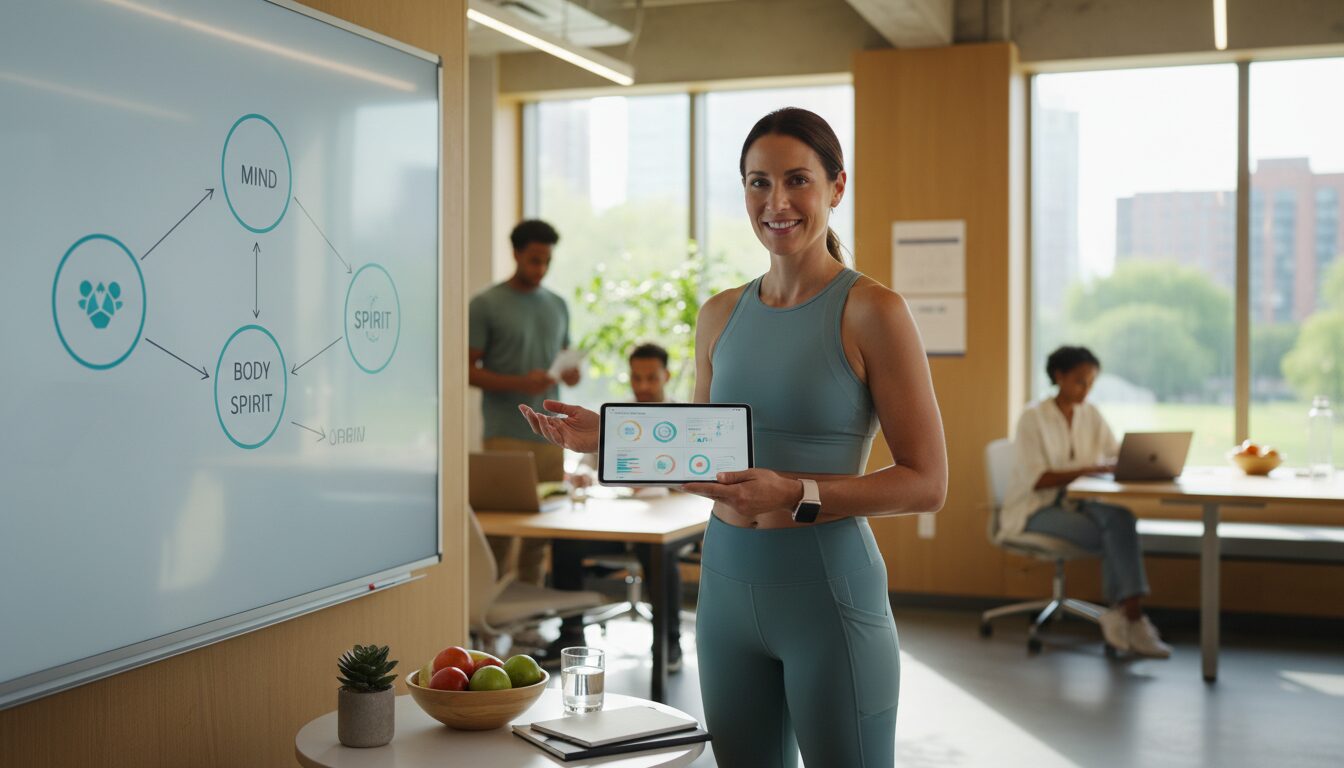
A holistic health coach is a wellness professional who takes a comprehensive approach to health improvement, addressing the interconnected aspects of a person’s physical, mental, emotional, and spiritual well-being rather than focusing on isolated symptoms or single health concerns.
Unlike traditional health coaches who may focus primarily on diet and exercise, holistic health coaches examine the full spectrum of factors that influence wellness. They work with clients to identify lifestyle patterns, environmental influences, stress factors, sleep quality, relationships, and personal values that impact overall health. Many holistic coaches incorporate five point holistic health approaches that address physical, mental, emotional, social, and spiritual dimensions of wellness.
The daily responsibilities of a holistic health coach include conducting comprehensive wellness assessments, developing personalized action plans, providing ongoing accountability and support, teaching stress management techniques, and helping clients establish sustainable healthy habits. They may also guide clients through goal-setting exercises, provide education about holistic health nutrition principles, and recommend complementary practices like mindfulness or movement therapies.
How holistic health coaching differs from traditional health coaching
Traditional health coaching typically focuses on specific, measurable health outcomes like weight loss, blood pressure reduction, or diabetes management through standardized protocols and evidence-based medical interventions.
Holistic health coaching, however, recognizes that sustainable health changes require addressing root causes and the whole person. Where traditional coaches might recommend a specific diet plan, holistic coaches explore the emotional, cultural, and lifestyle factors that influence eating patterns. They understand that stress, sleep quality, relationships, and spiritual fulfillment all impact physical health outcomes and cannot be separated from the healing process.
What conditions do holistic health coaches address
Holistic health coaches work with clients experiencing a wide range of health challenges and wellness goals, always within their scope of practice and in collaboration with medical professionals when appropriate.
Common areas they address include chronic stress and burnout, digestive issues, sleep disorders, autoimmune conditions, chronic fatigue, anxiety and depression, weight management struggles, and lifestyle-related chronic diseases. They also help healthy individuals optimize their wellness, prevent disease, and enhance their quality of life through proactive health strategies.
What are the best holistic health coach certification programs
The most reputable holistic health coach certification programs combine evidence-based health education with coaching methodology, business training, and hands-on practice with real clients under supervision.
Top-tier programs typically require 100-300 hours of coursework covering anatomy and physiology, nutrition science, behavioral psychology, coaching techniques, ethics, and business fundamentals. The strongest programs also include mentorship components, practice coaching sessions, case study requirements, and continuing education mandates to maintain certification.
Which certification bodies offer accredited programs
Several respected organizations provide holistic health coach certification with varying focuses and methodologies.
The International Association for Health Coaches (IAHC) offers comprehensive certification with strong emphasis on behavior change psychology. The Institute for Integrative Nutrition (IIN) provides one of the largest programs, focusing on bio-individuality and over 100 dietary theories. The National Society of Health Coaches (NSHC) emphasizes evidence-based practices and medical integration. Precision Nutrition offers a research-backed certification with practical application focus.
How much do holistic health coach certification programs cost
Holistic health coach certification programs typically range from $3,000 to $15,000 depending on the depth of curriculum, included materials, ongoing support, and program reputation.
Entry-level programs may cost $3,000-$6,000 and provide basic certification suitable for getting started. Mid-tier programs ($6,000-$10,000) often include more comprehensive business training, marketing support, and extended mentorship. Premium programs ($10,000-$15,000) may offer advanced specializations, extensive hands-on training, and lifetime access to resources and updates.
Online vs in-person certification program effectiveness
Both online and in-person holistic health coach certification programs can be highly effective when properly designed and executed, with each format offering distinct advantages.
Online programs provide flexibility for working professionals, lower costs due to reduced overhead, access to recorded lectures for review, and often attract diverse cohorts from around the world. They typically include live virtual sessions, online practice groups, and digital resource libraries. In-person programs offer direct hands-on practice, immediate feedback, stronger peer networking opportunities, and immersive learning experiences that some find more engaging.
What is the holistic health coach salary range in 2026
Holistic health coaches in 2026 can expect to earn between $35,000 and $100,000+ annually, with significant variation based on experience level, practice setting, specializations, and business model.
Entry-level coaches typically earn $35,000-$50,000 annually when working for wellness centers, gyms, or healthcare practices. Experienced independent practitioners often earn $60,000-$85,000, while those with established private practices, multiple revenue streams, or specialized expertise can exceed $100,000 annually. Many successful coaches combine individual coaching with group programs, online courses, and corporate wellness contracts to maximize income potential. Sleep quality improvement is becoming a particularly lucrative specialization, as coaches help clients implement evidence-based sleep quality supplements and other interventions.
How location affects holistic health coach earnings
Geographic location significantly impacts holistic health coach earning potential due to variations in cost of living, market demand, competition levels, and client demographics.
Coaches in major metropolitan areas like New York, San Francisco, and Los Angeles typically command higher rates ($75-150 per session) but face increased competition and higher business costs. Suburban markets often provide steady demand with moderate pricing ($50-100 per session) and lower overhead expenses. Rural areas may have limited local demand but reduced competition, with many rural coaches building successful online practices to serve clients globally.
What factors influence holistic health coach income potential
Several key factors determine a holistic health coach’s earning potential, with business acumen and marketing skills often proving as important as coaching expertise.
Specialization in high-demand niches like corporate wellness, women’s hormonal health, or chronic disease management can command premium rates. Advanced certifications, continuing education, and specialized training increase credibility and justify higher fees. Business skills including marketing, sales, client retention, and systems development directly impact income growth. Many successful coaches also develop passive income streams through online courses, group programs, affiliate partnerships, and digital products.
Where can you find holistic health coach jobs
Holistic health coach employment opportunities exist across diverse industries and settings, with the field expanding rapidly as organizations recognize the value of preventive wellness approaches.
Traditional healthcare settings increasingly hire holistic coaches for integrative medicine centers, functional medicine practices, and wellness-focused clinics. Corporate wellness programs represent a growing market, with companies hiring coaches to reduce healthcare costs and improve employee wellbeing. Fitness centers, spas, retreat centers, and wellness resorts also employ holistic coaches to provide comprehensive service offerings.
What types of employers hire holistic health coaches
A diverse range of organizations now recognize the value of holistic health coaches and actively recruit qualified professionals.
Healthcare employers include integrative medicine centers, functional medicine practices, naturopathic clinics, and progressive primary care offices seeking to offer comprehensive wellness services. Corporate employers range from tech companies and financial firms to healthcare organizations and educational institutions implementing employee wellness programs. Wellness industry employers include luxury spas, fitness centers, yoga studios, retreat centers, and wellness resorts. Some coaches also find opportunities with insurance companies, employee assistance programs, and telehealth platforms.
How to transition from employee to independent practice
Transitioning from employed holistic health coach to independent practitioner requires careful planning, financial preparation, and strategic business development.
Successful transitions typically begin while still employed, building a client base through evening and weekend sessions, developing marketing materials, and establishing business systems. Financial preparation should include 6-12 months of living expenses saved, understanding tax implications of self-employment, and securing appropriate insurance coverage. Key business development steps include defining your niche, developing service packages, creating pricing structures, establishing legal business entity, and building referral networks with other health professionals.
How to build a sustainable holistic health coaching practice from home
Building a thriving home-based holistic health coaching practice requires combining professional coaching skills with business acumen, technology proficiency, and effective marketing strategies.
Successful home-based coaches typically start by defining their ideal client avatar and specialized niche, then develop comprehensive service offerings including individual coaching packages, group programs, and digital products. They create professional home office spaces, invest in quality technology for virtual sessions, and establish clear boundaries between work and personal life. Marketing efforts focus on building authentic relationships, providing valuable content, and leveraging referrals from satisfied clients.
What technology tools do successful home-based coaches use
Modern holistic health coaching practices rely on various technology platforms to deliver professional services, manage client relationships, and operate efficiently from home.
Video conferencing platforms like Zoom, Google Meet, or specialized coaching software enable face-to-face client sessions. Client management systems such as Practice Better, SimplePractice, or CoachAccountable handle scheduling, payments, progress tracking, and secure document sharing. Many coaches also use email marketing platforms (Mailchimp, ConvertKit), social media scheduling tools (Hootsuite, Later), and website builders (WordPress, Squarespace) to market their services and share valuable content.
How to manage holistic health coach liability and insurance requirements
Proper liability protection and insurance coverage are essential for holistic health coaches to protect their practice and comply with professional standards.
Professional liability insurance specifically designed for health coaches typically costs $200-500 annually and covers claims related to professional advice or services. General liability insurance protects against property damage or bodily injury claims during in-person sessions. Many coaches also carry business property insurance for equipment and cyber liability coverage for data protection. It’s crucial to maintain clear scope of practice documentation, use proper intake forms and waivers, and ensure all marketing materials include appropriate disclaimers.
What are effective holistic health coach client retention strategies
Client retention is crucial for building a sustainable holistic health coaching practice, as acquiring new clients typically costs 5-10 times more than retaining existing ones.
Effective retention strategies begin with thorough initial assessments to understand client goals, challenges, and communication preferences. Regular progress reviews, flexible program adjustments, and celebration of small wins help maintain client motivation. Many successful coaches also provide ongoing value through educational resources, group support sessions, and access to exclusive content or events. Clear communication about expectations, consistent follow-through on commitments, and genuine care for client wellbeing form the foundation of strong coach-client relationships.
How to integrate traditional medicine with holistic coaching approaches
Successful holistic health coaches understand the importance of working collaboratively with medical professionals to provide comprehensive client care while staying within their scope of practice.
Integration begins with developing relationships with progressive healthcare providers who value holistic approaches, including functional medicine doctors, naturopaths, and integrative practitioners. Coaches should maintain clear communication about their role as lifestyle and behavior change specialists, not medical practitioners. They can support medical treatment by helping clients implement prescribed lifestyle changes, manage stress that impacts healing, improve medication compliance through habit formation, and provide accountability for health-supporting behaviors.
What communication techniques improve client outcomes
Effective communication skills distinguish exceptional holistic health coaches from average ones, directly impacting client success rates and satisfaction.
Active listening techniques help coaches understand underlying client motivations, fears, and barriers to change. Motivational interviewing skills enable coaches to help clients discover their own reasons for change rather than imposing external motivation. Clear goal-setting frameworks like SMART goals provide structure while allowing flexibility. Many successful coaches also use techniques like mindfulness meditation for overthinking to help clients develop self-awareness and emotional regulation skills. Regular check-ins, progress celebrations, and compassionate accountability create supportive environments for sustainable behavior change.
How do holistic health coaches prevent burnout and maintain self-care
Holistic health coaches face unique burnout risks due to the emotional intensity of their work, irregular schedules, and pressure to maintain personal wellness while supporting others.
Prevention strategies include establishing clear work-life boundaries, maintaining regular supervision or peer consultation, diversifying income streams to reduce financial pressure, and prioritizing personal health practices. Many coaches schedule regular retreats, maintain their own coaching or therapy relationships, and build supportive professional networks. Recognizing early warning signs like compassion fatigue, decreased empathy, or neglecting personal health allows for proactive intervention before burnout becomes severe.
What boundaries should holistic health coaches establish
Professional boundaries protect both coaches and clients while maintaining the therapeutic relationship necessary for effective coaching outcomes.
Time boundaries include set office hours, response timeframes for messages, and limits on session length or frequency. Communication boundaries specify appropriate channels for different types of contact and emergency procedures. Personal boundaries involve not sharing personal problems with clients, maintaining professional relationships, and avoiding dual relationships. Scope of practice boundaries ensure coaches don’t provide services outside their training or certification, particularly avoiding medical diagnosis or treatment recommendations.
Which self-care practices are most effective for coaches
Holistic health coaches must model the wellness practices they recommend to clients while addressing their own unique occupational stressors.
Physical self-care includes regular exercise, nutritious eating, adequate sleep, and preventive healthcare. Many coaches benefit from anti-inflammatory diet recipes to support their own energy and wellbeing. Mental and emotional self-care might include therapy, coaching, meditation, journaling, and stress management techniques. Professional self-care involves continuing education, peer support, supervision, and maintaining work-life balance. Spiritual practices, creative outlets, and social connections provide additional support for coaches managing the emotional demands of their work.
What do Reddit users say about holistic health coaching careers
Reddit discussions about holistic health coaching careers reveal both enthusiasm and skepticism from users, with conversations spanning career prospects, training quality, market saturation, and income potential.
Many Redditors express interest in holistic health coaching as a career change, particularly those seeking more meaningful work or flexibility. However, discussions also reveal concerns about market oversaturation, the investment required for training, and challenges building a sustainable income. Users frequently debate the value of different certification programs and share experiences about client acquisition difficulties.
What are common challenges discussed in coaching communities
Online coaching communities and Reddit threads consistently identify several recurring challenges faced by holistic health coaches entering or building their practices.
Client acquisition emerges as the most frequently mentioned struggle, with new coaches reporting difficulty attracting their first paying clients and building consistent income. Pricing concerns appear regularly, with coaches unsure how to value their services competitively while maintaining profitability. Scope of practice confusion creates ongoing discussions about what coaches can legally and ethically address with clients. Many also report challenges with client compliance, managing difficult client relationships, and maintaining motivation when results are slow.
Which success strategies do experienced coaches recommend
Seasoned holistic health coaches consistently recommend specific strategies that have proven effective for building sustainable practices and achieving client success.
Niche specialization receives universal endorsement, with successful coaches advising newcomers to focus on specific populations or health concerns rather than trying to serve everyone. Building authentic relationships through consistent valuable content, community involvement, and referral partnerships creates sustainable client flow. Experienced coaches also emphasize the importance of business skills, recommending newcomers invest in marketing, sales, and systems training alongside their coaching education. Many suggest starting part-time while maintaining other income, allowing gradual practice development without financial pressure.
Frequently Asked Questions About Holistic Health Coaching
How long does it take to become a certified holistic health coach?
Most holistic health coach certification programs require 6-12 months to complete, depending on the program’s depth and your available study time.
Typical programs include 100-300 hours of coursework covering nutrition, coaching techniques, business skills, and hands-on practice. Some intensive programs can be completed in 3-6 months with full-time commitment, while part-time programs may extend to 12-18 months. Additional time may be needed for completing required practice coaching sessions, case studies, and final examinations before receiving certification.
Do I need a background in healthcare to become a holistic health coach?
No healthcare background is required to become a holistic health coach, though some programs prefer candidates with wellness industry experience or education.
Many successful coaches come from diverse backgrounds including business, education, fitness, or completely unrelated fields. What matters most is genuine passion for helping others, strong communication skills, and commitment to ongoing learning. Some programs do require basic anatomy and physiology knowledge, which can be acquired through prerequisite courses if not previously studied.
What’s the difference between a holistic health coach and a nutritionist?
Holistic health coaches focus on behavior change and lifestyle modification across multiple wellness dimensions, while nutritionists specialize specifically in food and nutrition science.
Nutritionists typically provide meal plans, dietary assessments, and nutrition education based on clinical training and may work with specific medical conditions. Holistic health coaches help clients implement sustainable lifestyle changes through goal-setting, accountability, and addressing emotional or practical barriers to healthy living. Many coaches cannot provide specific meal plans or medical nutrition therapy, depending on their training and local regulations.
Can holistic health coaches work with medical conditions?
Holistic health coaches can support clients with medical conditions within their scope of practice, but cannot diagnose, treat, or provide medical advice.
Coaches work collaboratively with healthcare providers to help clients implement prescribed lifestyle modifications, manage stress related to health conditions, and develop sustainable healthy habits that support medical treatment. They focus on behavior change, motivation, and lifestyle factors rather than clinical interventions. Clear communication with medical providers and understanding scope of practice limitations are essential for safe, effective coaching.
How much should I charge for holistic health coaching services?
Holistic health coaching rates typically range from $75-200 per individual session, with package deals and programs priced between $500-3000 depending on duration and included services.
Factors influencing pricing include your experience level, certifications, geographic location, target market, and service comprehensiveness. New coaches often start at $50-75 per session and increase rates as they gain experience and testimonials. Many coaches offer package deals that provide client savings while ensuring coach income predictability. Group programs and online courses can provide additional revenue streams at different price points.
Is the holistic health coaching market oversaturated?
While the number of health coaches has increased significantly, demand for qualified holistic health coaches continues growing as wellness awareness expands and healthcare costs rise.
Success in today’s market requires clear specialization, professional training, strong business skills, and authentic relationship building rather than generic coaching approaches. Coaches who identify specific niches, develop expertise in particular health concerns, or serve underserved populations can still build thriving practices. The key is differentiation through specialized knowledge, exceptional service, and consistent marketing efforts.
What insurance do holistic health coaches need?
Holistic health coaches should carry professional liability insurance, general liability coverage, and potentially business property and cyber liability insurance depending on their practice structure.
Professional liability insurance (typically $200-500 annually) covers claims related to professional services or advice. General liability protects against property damage or injury during sessions. Business insurance may cover equipment, while cyber liability protects client data. Many certification organizations offer group insurance rates, and some programs include basic coverage during training.
Can I build a successful coaching practice working part-time?
Many holistic health coaches successfully build profitable practices working part-time, especially when starting while maintaining other income sources.
Part-time practice allows gradual client base development, skill refinement, and business system creation without financial pressure. Many coaches see 10-15 clients weekly while working other jobs, generating $2000-4000 monthly supplemental income. Success requires efficient time management, clear boundaries, and strategic marketing efforts focused on ideal client relationships rather than broad outreach.
How do I find my first holistic health coaching clients?
Most new coaches find their first clients through personal networks, community involvement, and providing free or reduced-rate services to build experience and testimonials.
Start by informing friends, family, and colleagues about your new coaching services and asking for referrals. Volunteer to speak at community organizations, offer free workshops, or partner with local businesses for wellness events. Many coaches begin with free discovery sessions that convert to paid coaching relationships. Social media content sharing valuable health tips can attract potential clients, while partnerships with complementary practitioners provide referral opportunities.
What technology do I need to start a coaching practice?
Essential technology for starting a holistic health coaching practice includes reliable internet, video conferencing software, basic website, scheduling system, and secure payment processing.
Minimum requirements include a computer with good camera and microphone, stable internet connection, and professional email address. Video platforms like Zoom or Google Meet enable remote sessions, while scheduling tools like Calendly streamline booking. Simple website builders like Squarespace provide professional online presence, and payment processors like PayPal or Stripe handle transactions securely. As practices grow, coaches often invest in comprehensive practice management software integrating all functions.