Table of Contents
- What Makes a Quality Sleep Shop Different from Regular Mattress Stores
- How do quality sleep shops personalize mattress recommendations
- What sleep assessment tools do professional sleep shops use
- Best Sleep Products for Different Body Types and Sleep Positions
- Which mattress firmness works best for side sleepers
- What sleep products benefit back and stomach sleepers
- How does body weight affect mattress selection
- Sleep Environment Optimization Beyond Mattresses
- What temperature range promotes optimal sleep quality
- How does lighting affect your sleep cycle
- Which sound masking solutions work best for sleep
- Sleep Quality Testing Tools You Can Use at Home
- What sleep tracking devices provide the most accurate data
- How to interpret your sleep quality metrics
- Quality Sleep Shop Reviews: What Customers Say Really Matters
- How to identify authentic sleep shop customer reviews
- What red flags to watch for in sleep product reviews
- Local Sleep Consultation Services vs Online Shopping
- Why in-person mattress testing beats online purchases
- What questions to ask during a professional sleep consultation
- Sleep Disorder Solutions and Therapeutic Accessories
- Which sleep accessories help with sleep apnea symptoms
- What products address restless leg syndrome during sleep
- Frequently Asked Questions About Quality Sleep Shops
- What warranty coverage should I expect from a quality sleep shop?
- How long are typical trial periods for mattresses from quality sleep shops?
- What price ranges should I expect at professional sleep stores?
- Do quality sleep shops offer financing options for mattress purchases?
- How do I know if a sleep shop consultation is worth the higher cost?
- What should I bring to a professional sleep consultation appointment?
- Do quality sleep shops service adjustable beds and specialty sleep equipment?
- How often should I replace my mattress according to sleep professionals?
A quality sleep shop provides personalized consultation services, professional assessment tools, and comprehensive sleep solutions that go far beyond the basic mattress selection offered by traditional retailers. These specialized sleep stores focus on matching individual sleep needs with scientifically-backed products through detailed analysis of your sleep patterns, body type, and health considerations.
• What Makes a Quality Sleep Shop Different from Regular Mattress Stores
– How quality sleep shops personalize mattress recommendations
– Sleep assessment tools used by professional shops
• Best Sleep Products for Different Body Types and Sleep Positions
– Mattress firmness for side sleepers
– Products for back and stomach sleepers
– Body weight considerations
• Sleep Environment Optimization Beyond Mattresses
– Optimal temperature ranges
– Lighting effects on sleep cycles
– Sound masking solutions
• Sleep Quality Testing Tools
• Quality Sleep Shop Reviews
• Local Consultation Services vs Online Shopping
• Sleep Disorder Solutions
• [Frequently Asked Questions](#frequently-asked-qu
What Makes a Quality Sleep Shop Different from Regular Mattress Stores
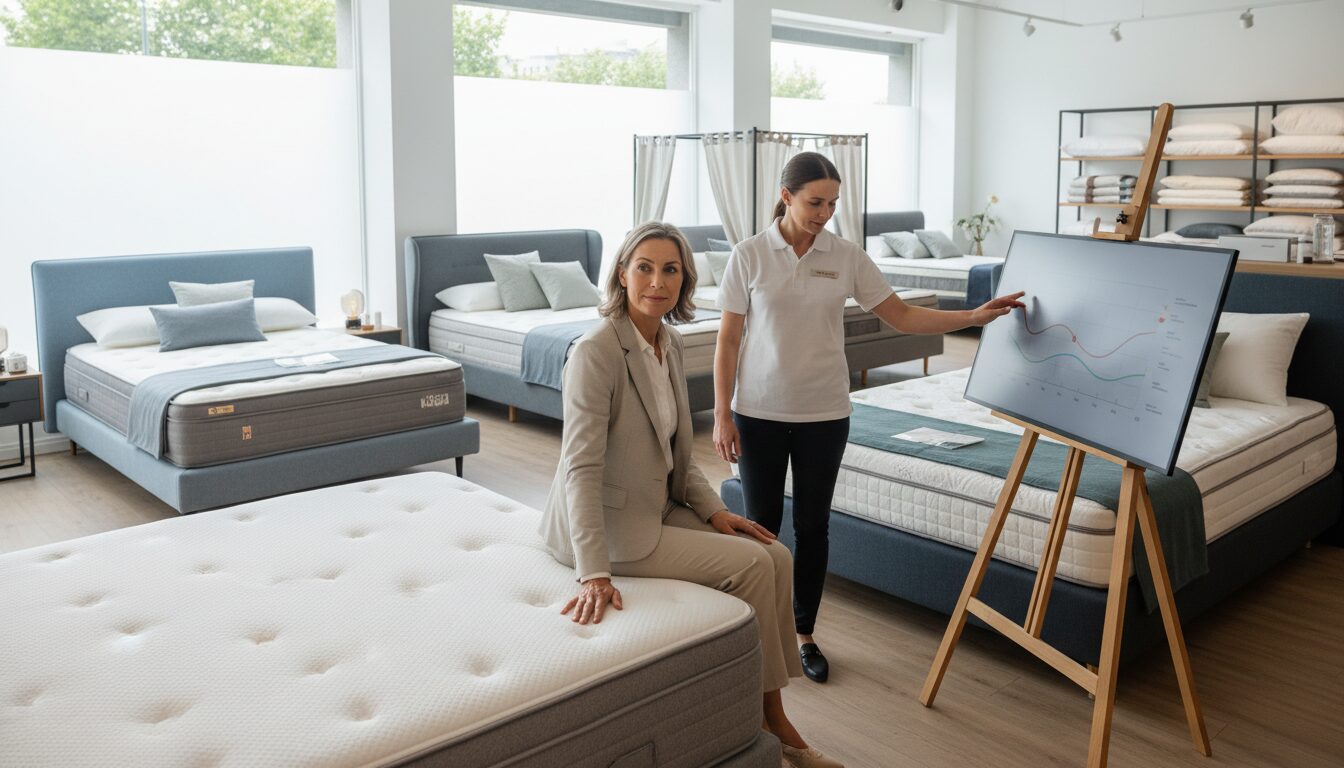
Quality sleep shops distinguish themselves through comprehensive sleep health assessments that address your entire sleep ecosystem, not just mattress preferences. These specialized retailers employ sleep consultants who undergo extensive training in sleep science and use advanced diagnostic tools to identify the root causes of poor sleep quality.
Unlike traditional mattress stores focused on sales volume, quality sleep shops prioritize long-term customer sleep health outcomes. Many partner with sleep clinics and incorporate holistic health approaches to address sleep issues comprehensively, considering factors like stress management, lifestyle habits, and environmental optimization alongside product recommendations.
How do quality sleep shops personalize mattress recommendations
Professional sleep consultants use detailed questionnaires covering your sleep history, pain points, partner preferences, and lifestyle factors to create personalized mattress profiles. This systematic approach ensures recommendations align with your specific needs rather than generic sales pitches.
The personalization process typically includes body mapping assessments that identify pressure points and spinal alignment issues specific to your physique and preferred sleep positions. Advanced sleep shops maintain detailed customer profiles that track your sleep improvement journey and allow for ongoing product adjustments and recommendations as your needs evolve.
What sleep assessment tools do professional sleep shops use
Modern sleep shops utilize pressure mapping technology that creates visual representations of how your body interacts with different mattress surfaces, identifying areas of excessive pressure or inadequate support. These computerized systems generate detailed reports showing optimal firmness levels and support zones for your specific body type.
Some quality sleep shops also incorporate sleep tracking data analysis, where customers can bring their wearable device data for professional interpretation. This technology-driven approach helps consultants understand your current sleep patterns and recommend products that address specific issues like frequent wake-ups, poor deep sleep percentages, or restless movement during the night.
Best Sleep Products for Different Body Types and Sleep Positions
Sleep product selection must account for the complex relationship between body weight distribution, preferred sleep positions, and individual comfort preferences to achieve optimal spinal alignment and pressure relief. Quality sleep shops use this multi-factor approach to recommend mattresses, pillows, and accessories that work synergistically for your specific physical requirements.
The most effective sleep product recommendations consider not just your primary sleep position, but also how you transition between positions throughout the night and any physical limitations or pain points that affect your sleep comfort. Professional sleep consultants evaluate these factors holistically to ensure your entire sleep system promotes restorative rest.
Which mattress firmness works best for side sleepers
Side sleepers typically require medium to medium-soft mattresses that provide adequate contouring around the hips and shoulders while maintaining spinal alignment through the waist area. The optimal firmness level depends on your body weight, with lighter individuals needing softer surfaces and heavier sleepers requiring more support to prevent excessive sinking.
Quality sleep shops often recommend hybrid or memory foam mattresses for side sleepers because these materials offer superior pressure point relief compared to traditional innerspring systems. The key is finding a balance where your shoulder and hip can sink sufficiently to maintain natural spinal curvature without compromising overall support structure.
What sleep products benefit back and stomach sleepers
Back sleepers benefit from medium-firm to firm mattresses that provide consistent support across the entire body while allowing slight contouring to accommodate the natural lumbar curve. These sleepers often need additional support through adjustable bases or specialized lumbar pillows to maintain optimal spinal positioning.
Stomach sleepers require the firmest mattress options to prevent their midsection from sinking too deeply, which can create harmful spinal extension and lead to back pain. Quality sleep shops typically recommend firm innerspring or latex mattresses for stomach sleepers, paired with thin, soft pillows to avoid neck strain from excessive elevation.
How does body weight affect mattress selection
Heavier individuals (over 200 pounds) require firmer mattresses with enhanced support systems to prevent premature sagging and maintain proper spinal alignment throughout the night. These customers often benefit from hybrid constructions that combine innerspring support with targeted foam comfort layers.
Lighter individuals (under 150 pounds) need softer surfaces that provide adequate contouring since they don’t generate enough body weight to compress firmer mattresses effectively. Quality sleep shops recognize that standard firmness ratings don’t account for individual body weight variations and adjust recommendations accordingly to ensure optimal comfort and support.
Sleep Environment Optimization Beyond Mattresses
Comprehensive sleep improvement requires optimizing your entire bedroom environment, including temperature control, lighting management, and sound reduction strategies that work together to promote natural sleep cycles. Quality sleep shops understand that even the perfect mattress cannot overcome environmental factors that disrupt sleep quality.
The most effective sleep environment optimization takes a systematic approach, addressing each environmental factor individually while ensuring they work harmoniously to create an optimal sleep sanctuary. Many quality sleep shops offer environmental assessment services alongside their mattress consultations to provide complete sleep solutions.
What temperature range promotes optimal sleep quality
Research consistently shows that bedroom temperatures between 65-68°F (18-20°C) promote the deepest, most restorative sleep by supporting your body’s natural temperature drop that signals sleep onset. Individual preferences may vary by 2-3 degrees, but staying within this range optimizes your circadian rhythm regulation.
Quality sleep shops often recommend temperature-regulating mattress materials and bedding accessories that help maintain consistent body temperature throughout the night. Memory foam infused with cooling gel, latex mattresses with enhanced airflow, and moisture-wicking sheets can significantly improve sleep quality for individuals who tend to sleep hot or experience night sweats.
How does lighting affect your sleep cycle
Exposure to blue light from electronic devices within 2 hours of bedtime suppresses melatonin production and can delay sleep onset by up to 3 hours, according to sleep research studies. Creating a dark sleep environment with blackout curtains and eliminating electronic device usage helps restore natural circadian rhythm patterns.
Dim, warm lighting (below 3000K color temperature) during evening hours signals your brain to begin melatonin production naturally. Many sleep shops recommend smart lighting systems or specialized sleep-promoting light bulbs that automatically adjust color temperature throughout the day to support healthy sleep-wake cycles.
Which sound masking solutions work best for sleep
Consistent background noise between 40-50 decibels, such as white noise or nature sounds, effectively masks disruptive environmental sounds that can fragment sleep cycles. The key is choosing sounds that remain constant rather than varying in volume or frequency, which can actually disturb sleep.
Sleep shops often recommend high-quality white noise machines or fans that provide consistent sound masking without the audio compression artifacts found in smartphone apps. For couples with different sound preferences, some shops suggest specialized pillow speakers or sleep headphones that allow individualized sound environments without disturbing partners.
Sleep Quality Testing Tools You Can Use at Home
Home sleep tracking technology has evolved to provide clinically relevant data that can guide mattress selection and identify sleep improvement opportunities without expensive laboratory testing. These tools generate objective metrics about your sleep patterns, allowing you to make data-driven decisions about sleep product purchases and environmental modifications.
The most valuable home sleep testing combines multiple data points including heart rate variability, movement patterns, and environmental factors to create comprehensive sleep quality profiles. Quality sleep shops increasingly incorporate this customer-generated data into their consultation processes to provide more targeted product recommendations.
What sleep tracking devices provide the most accurate data
Wearable devices like the Oura Ring and WHOOP Strap provide the most comprehensive sleep data by combining heart rate variability, body temperature, and movement tracking throughout the night. These devices offer clinical-grade accuracy for sleep stage detection and can identify patterns that indicate mattress or environmental issues.
Bedside sleep monitors like the ResMed S+ or under-mattress sensors provide detailed information about sleep movements and breathing patterns without requiring wearable devices. Many quality sleep shops accept data from these devices during consultations to better understand your current sleep quality and identify specific areas where new sleep products might provide improvement.
How to interpret your sleep quality metrics
Healthy adults should achieve 85% or higher sleep efficiency (time asleep divided by time in bed), with at least 13-23% of total sleep time spent in deep sleep stages. Frequent wake-ups (more than 2-3 per night) or extended periods of wakefulness often indicate mattress comfort issues or environmental disruptions.
When working with sleep tracking data, focus on trends over individual nights since sleep quality naturally varies due to stress, diet, and daily activities. Understanding comprehensive sleep quality assessment tools can help you identify which metrics matter most for your specific sleep concerns and guide productive conversations with sleep shop consultants.
Quality Sleep Shop Reviews: What Customers Say Really Matters
Authentic customer reviews provide invaluable insights into sleep shop service quality, product durability, and long-term customer satisfaction that goes beyond initial purchase experiences. The most helpful reviews focus on specific sleep improvements, consultant expertise, and how well recommended products performed over extended periods.
Quality sleep shops with strong review profiles typically demonstrate consistent patterns of personalized service, follow-up care, and successful resolution of customer sleep issues. These reviews often mention specific consultants by name and describe detailed assessment processes that led to successful sleep product matches.
How to identify authentic sleep shop customer reviews
Legitimate sleep shop reviews contain specific details about the consultation process, mention particular products or technologies used during assessment, and describe measurable sleep improvements over time periods of several weeks or months. Authentic reviewers often discuss their specific sleep issues and how recommended products addressed those concerns.
Be wary of reviews that focus primarily on price comparisons or lack specific details about the consultation experience. Genuine customers typically mention consultant names, describe the assessment tools used, and provide detailed information about their sleep improvements or ongoing challenges with recommended products.
What red flags to watch for in sleep product reviews
Suspicious review patterns include multiple reviews posted within short time periods, generic language that could apply to any mattress or sleep product, and reviews that focus exclusively on price rather than sleep quality improvements. Fake reviews often lack specific details about personal sleep experiences or measurable outcomes.
Pay attention to reviews mentioning pressure to purchase immediately or consultants who didn’t ask detailed questions about sleep habits and preferences. Quality sleep shops invest significant time in assessment processes, so reviews describing rushed consultations or generic recommendations may indicate less reputable retailers.
Local Sleep Consultation Services vs Online Shopping
In-person sleep consultations provide irreplaceable value through hands-on mattress testing, professional body alignment assessment, and personalized guidance that cannot be replicated through online questionnaires or virtual consultations. The tactile experience of testing different mattress materials and firmness levels under professional guidance significantly improves the likelihood of long-term satisfaction with your purchase.
While online mattress companies offer competitive pricing and convenient delivery, they cannot provide the comprehensive sleep health assessment and ongoing support services that distinguish quality local sleep shops. The investment in professional consultation often pays for itself through improved sleep quality and reduced likelihood of costly mattress exchanges or returns.
Why in-person mattress testing beats online purchases
Physical mattress testing allows you to experience how different materials respond to your specific body weight, sleep positions, and movement patterns in ways that online descriptions and trial periods cannot replicate. Professional sleep consultants can observe your body alignment and pressure point distribution during testing, providing objective feedback about mattress suitability.
In-person testing also enables immediate comparison between multiple mattress options, helping you understand subtle differences in feel and support that become crucial for long-term comfort. Many customers discover preferences they weren’t aware of through guided testing experiences that online shopping cannot provide.
What questions to ask during a professional sleep consultation
Prepare specific questions about your sleep challenges, including details about pain points, partner disturbance issues, and temperature regulation concerns that affect your sleep quality. Ask consultants to explain how different mattress materials and construction methods address your particular issues, and request demonstrations of assessment tools they use.
Inquire about follow-up services, adjustment periods, and what support is available if your sleep doesn’t improve as expected with recommended products. Quality sleep shops should provide clear explanations of their consultation methodology and be willing to discuss alternative options if initial recommendations don’t meet your needs.
Sleep Disorder Solutions and Therapeutic Accessories
Many common sleep disorders can be significantly improved through specialized sleep accessories and environmental modifications that complement medical treatments and provide symptomatic relief. Quality sleep shops often carry therapeutic products designed specifically for conditions like sleep apnea, restless leg syndrome, and chronic pain that interferes with sleep quality.
The most effective approach to sleep disorder management combines medical treatment with targeted sleep products that address specific symptoms and improve overall sleep environment quality. Mindfulness techniques for racing thoughts can also complement physical sleep aids for individuals whose sleep disorders involve anxiety or stress components.
Which sleep accessories help with sleep apnea symptoms
Adjustable beds that elevate the head and torso can reduce sleep apnea episodes by using gravity to keep airways open throughout the night. Many sleep apnea patients experience significant symptom improvement with 30-45 degree elevation, though this should complement rather than replace prescribed CPAP therapy.
Specialized pillows designed for CPAP users provide cutouts and channels that accommodate tubing and masks while maintaining proper neck alignment. Quality sleep shops often carry CPAP-compatible mattresses with firmer edges that make it easier to get in and out of bed while managing equipment, plus bedding designed to reduce mask displacement during sleep movements.
What products address restless leg syndrome during sleep
Compression socks or leg wraps designed for nighttime use can provide gentle pressure that reduces restless leg syndrome symptoms for many sufferers. These products work by improving circulation and providing sensory input that can calm overactive leg muscles and nerves.
Weighted blankets (typically 10% of body weight) provide deep pressure stimulation that can reduce restless leg symptoms and improve overall sleep quality. Some individuals also benefit from mattresses with enhanced edge support that make position changes easier during restless episodes without disturbing sleep partners.
Frequently Asked Questions About Quality Sleep Shops
Understanding what to expect from professional sleep retailers helps you make informed decisions about consultation services and ensures you receive maximum value from your investment in quality sleep products.
What warranty coverage should I expect from a quality sleep shop?
Reputable sleep shops typically offer comprehensive warranties ranging from 10-25 years depending on mattress construction and materials, with most quality mattresses including at least 10 years of full coverage against manufacturing defects. Premium latex and hybrid mattresses often come with longer warranty periods due to their durable construction materials.
Quality sleep shops also provide additional service warranties covering delivery, setup, and often include satisfaction guarantees beyond manufacturer warranties. Look for shops that offer prorated warranty coverage that maintains reasonable value even in later warranty years, and ensure warranty terms are clearly explained before purchase.
How long are typical trial periods for mattresses from quality sleep shops?
Most quality sleep shops offer 90-365 night trial periods that allow you to test your mattress in your home environment with full return privileges if the mattress doesn’t meet your sleep quality expectations. The longest trial periods are typically offered on premium mattresses where shops have confidence in long-term customer satisfaction.
Trial periods should include specific guidelines about mattress condition requirements for returns and any associated fees for pickup or restocking. Quality shops often provide sleep tracking guidance during trial periods to help you objectively evaluate mattress performance and make informed decisions about keeping or exchanging your mattress.
What price ranges should I expect at professional sleep stores?
Quality sleep shops typically carry mattresses ranging from $800-$5000+, with most customers finding suitable options in the $1200-$2500 range for queen-size mattresses. Premium materials like natural latex, organic cotton, and advanced cooling technologies command higher prices but offer superior durability and performance.
Professional sleep stores often provide better value than big box retailers through longer warranties, comprehensive trial periods, and included services like delivery, setup, and old mattress removal. Consider the total cost of ownership including warranty coverage and sleep quality improvements when comparing prices between different retail options.
Do quality sleep shops offer financing options for mattress purchases?
Most established sleep shops partner with financing companies to offer 0% interest payment plans ranging from 6-48 months, making quality mattresses more accessible without compromising your budget. These financing options typically require good credit scores and may include promotional periods with deferred interest that requires careful attention to payment schedules.
Some sleep shops also offer rent-to-own programs or trade-in allowances for existing mattresses that can reduce upfront costs. Compare financing terms carefully and ensure you understand all fees and interest rate changes that may apply after promotional periods end.
How do I know if a sleep shop consultation is worth the higher cost?
Professional sleep consultations provide measurable value through reduced trial-and-error mattress purchases, which can save hundreds of dollars in return shipping fees and restocking charges common with online mattress buying. The expertise and assessment tools used by quality sleep shops significantly increase the likelihood of long-term satisfaction with your mattress purchase.
Consider the consultation cost as insurance against poor sleep quality, which has documented health and productivity impacts that far exceed the price difference between professional and discount mattress shopping. Quality consultations should provide detailed written recommendations and ongoing support that justify any premium pricing over basic retail experiences.
What should I bring to a professional sleep consultation appointment?
Bring detailed information about your current sleep challenges, including specific pain points, partner disturbance issues, and any sleep tracking data from wearable devices or smartphone apps that document your sleep patterns. Photos of your current mattress showing wear patterns or sagging can help consultants understand what isn’t working with your existing setup.
If you sleep with a partner, both people should attend the consultation since mattress selection requires compromise between different preferences and sleep styles. Bring information about your bedroom size, bed frame specifications, and any mobility issues that might affect mattress height or firmness requirements.
Do quality sleep shops service adjustable beds and specialty sleep equipment?
Most quality sleep shops provide comprehensive services for adjustable beds including delivery, setup, and ongoing technical support for mechanical and electrical components. Many shops employ certified technicians who can perform warranty repairs and maintenance on major adjustable bed brands.
Specialty sleep equipment services often extend to CPAP-compatible furniture, hospital beds for home use, and therapeutic mattresses designed for medical conditions. Quality shops typically maintain relationships with insurance providers and can assist with documentation required for medically necessary sleep equipment coverage.
How often should I replace my mattress according to sleep professionals?
Sleep professionals generally recommend mattress replacement every 7-10 years for innerspring mattresses, 8-12 years for memory foam, and 12-15 years for high-quality latex mattresses, though individual replacement needs vary based on usage patterns, body weight, and mattress quality. Signs that indicate earlier replacement include visible sagging, increased sleep disruption, or waking up with pain that wasn’t present with a newer mattress.
Quality sleep shops can perform mattress assessments that objectively measure support degradation and help determine optimal replacement timing based on your specific mattress condition and sleep quality changes. Natural sleep quality supplements may help during transition periods while you’re selecting and adjusting to a new mattress, but they cannot compensate for fundamentally inadequate sleep surface support.