Table of Contents
- What productivity services are available through google.com
- Core Google Workspace tools overview
- Hidden and lesser-known Google productivity features
- Free versus paid Google productivity tools comparison
- How to navigate google.com to find all productivity features
- Google.com homepage productivity tool discovery
- Accessibility features for enhanced productivity
- Google workspace tools integration strategies that actually work
- Cross-platform automation between Google services
- Mobile versus desktop Google productivity workflows
- Google productivity apps for specific industries and use cases
- Education sector Google suite implementations
- Business and enterprise Google workspace configurations
- Creative professional Google tools workflows
- Google productivity suite workflow optimization methods
- Evidence-based productivity methodologies using Google tools
- Google tools integration with proven productivity systems
- Google.com services guide: Advanced features and power user tips
- Advanced Google Workspace automation techniques
- Google productivity workflow analytics and measurement
- Google workspace productivity alternatives and when to switch
- Comparative analysis with Microsoft 365 and other suites
- Decision frameworks for choosing productivity tools
- Frequently Asked Questions about Google productivity tools
- Can Google Workspace completely replace Microsoft Office for business use?
- How secure is Google Workspace for confidential business data?
- What’s the learning curve for switching to Google productivity tools?
- Do Google productivity apps work reliably offline?
- How does Google Workspace pricing compare to alternatives?
- Can individual users access enterprise Google Workspace features?
- What happens to my data if I stop using Google Workspace?
Google.com productivity encompasses a comprehensive ecosystem of 40+ integrated applications designed to streamline workflows, enhance collaboration, and optimize task management across personal and professional contexts. Current adoption statistics indicate that 3.2 billion users actively utilize Google’s productivity services, with enterprise customers reporting measurable efficiency gains when implementing systematic integration approaches.
What productivity services are available through google.com
Google offers 42 distinct productivity applications through its main portal, ranging from basic document creation to advanced enterprise automation tools. The platform serves 3.2 billion monthly active users across consumer and business segments, with Google Workspace specifically supporting over 3 billion users for collaborative productivity tasks.
Google’s productivity ecosystem divides into three primary categories: core collaboration tools (Gmail, Drive, Docs, Sheets, Slides), communication platforms (Meet, Chat, Calendar), and specialized applications (Forms, Sites, Keep, Tasks). Enterprise customers gain access to additional security, analytics, and administrative tools through paid workspace plans.
The Bureau of Labor Statistics workplace technology adoption surveys consistently rank Google Workspace among the top three productivity platforms used by American businesses. Research data indicates that organizations using Google’s full productivity suite report 28% faster project completion times compared to those using fragmented tool combinations.
Core Google Workspace tools overview
The primary Google workspace tools provide document creation, data analysis, presentation design, email management, file storage, and video conferencing capabilities with real-time collaboration features. Each application integrates seamlessly with others in the ecosystem while offering standalone functionality for individual productivity needs.
| Tool | Primary Function | Storage Limit (Free) | Collaboration Limit | Key Productivity Feature |
|---|---|---|---|---|
| Gmail | Email management | 15GB shared | Unlimited recipients | Smart compose and filtering |
| Drive | File storage/sync | 15GB shared | 100 viewers per file | Version history and offline access |
| Docs | Document creation | Unlimited documents | 100 simultaneous editors | Real-time collaborative editing |
| Sheets | Spreadsheet analysis | Unlimited sheets | 100 simultaneous editors | Advanced formulas and pivot tables |
| Slides | Presentation design | Unlimited presentations | 100 simultaneous editors | Template library and speaker notes |
| Calendar | Schedule management | Unlimited events | 200 guests per event | Smart scheduling suggestions |
| Meet | Video conferencing | 60 minutes group calls | 100 participants | Screen sharing and recording |
Google’s integration architecture allows data to flow automatically between applications. For example, a Sheets dataset can populate Charts in Docs while triggering Calendar reminders based on project deadlines. This interconnected approach reduces context switching and maintains data consistency across workflows.
Hidden and lesser-known Google productivity features
Most users access only 20% of Google’s available productivity features, missing powerful capabilities like advanced search operators, custom automation scripts, and direct URL shortcuts to specific functions. These hidden features often provide the greatest productivity gains for power users.
-
Access Google Keep directly from any Google app: Press Ctrl+Alt+Shift+K (Cmd+Option+Shift+K on Mac) to open Keep sidebar in Docs, Gmail, or Calendar for quick note-taking without switching tabs.
-
Enable Smart Compose in Gmail: Navigate to Settings > General > Smart Compose to activate AI-powered email completion. This feature saves an average of 2.3 minutes per email according to Google’s internal metrics.
-
Use Voice Typing in Google Docs: Press Ctrl+Shift+S to activate voice input. The feature supports 125+ languages and can transcribe speech at 150+ words per minute with 95% accuracy.
-
Create custom Google Forms URLs: Add “?usp=pp_url” to any Form URL to pre-populate responses or “?embedded=true” for seamless website integration.
-
Access Explore feature in Sheets: Click the star icon in bottom-right corner for automated chart suggestions and data analysis insights based on your spreadsheet content.
-
Enable offline editing across all apps: Visit chrome://settings/content/all and ensure offline access is enabled for drive.google.com to work without internet connectivity.
Key Takeaway: These hidden features can reduce common task completion time by 15-40% once users incorporate them into regular workflows.
Free versus paid Google productivity tools comparison
Free Google accounts provide full functionality for individual productivity needs, while paid Google Workspace plans add enterprise security, advanced analytics, increased storage, and administrative controls. The productivity feature gap between free and paid versions is smaller than most competing platforms.
| Feature Category | Free Account | Workspace Starter ($6/user/month) | Workspace Standard ($12/user/month) | Workspace Plus ($18/user/month) |
|---|---|---|---|---|
| Storage | 15GB shared | 30GB per user | 2TB per user | 5TB per user |
| Gmail | Standard Gmail | Custom domain email | Advanced security | Enhanced encryption |
| Meet recording | No | No | Yes | Yes + attendance tracking |
| Admin controls | None | Basic user management | Advanced policies | Full enterprise controls |
| Support | Community | Email support | Phone + email | Priority phone support |
| Custom branding | No | Limited | Yes | Yes + advanced customization |
ROI calculations for business users show break-even points occurring at 15+ hours of weekly Google tool usage. Organizations with 10+ employees typically see positive returns within 3-4 months of upgrading to paid plans, primarily due to time savings from enhanced collaboration features and reduced IT management overhead.
Most productivity-focused individuals can achieve their goals using free Google accounts. The primary upgrade drivers are storage limitations, custom domain requirements, and need for advanced administrative controls in team environments.
How to navigate google.com to find all productivity features
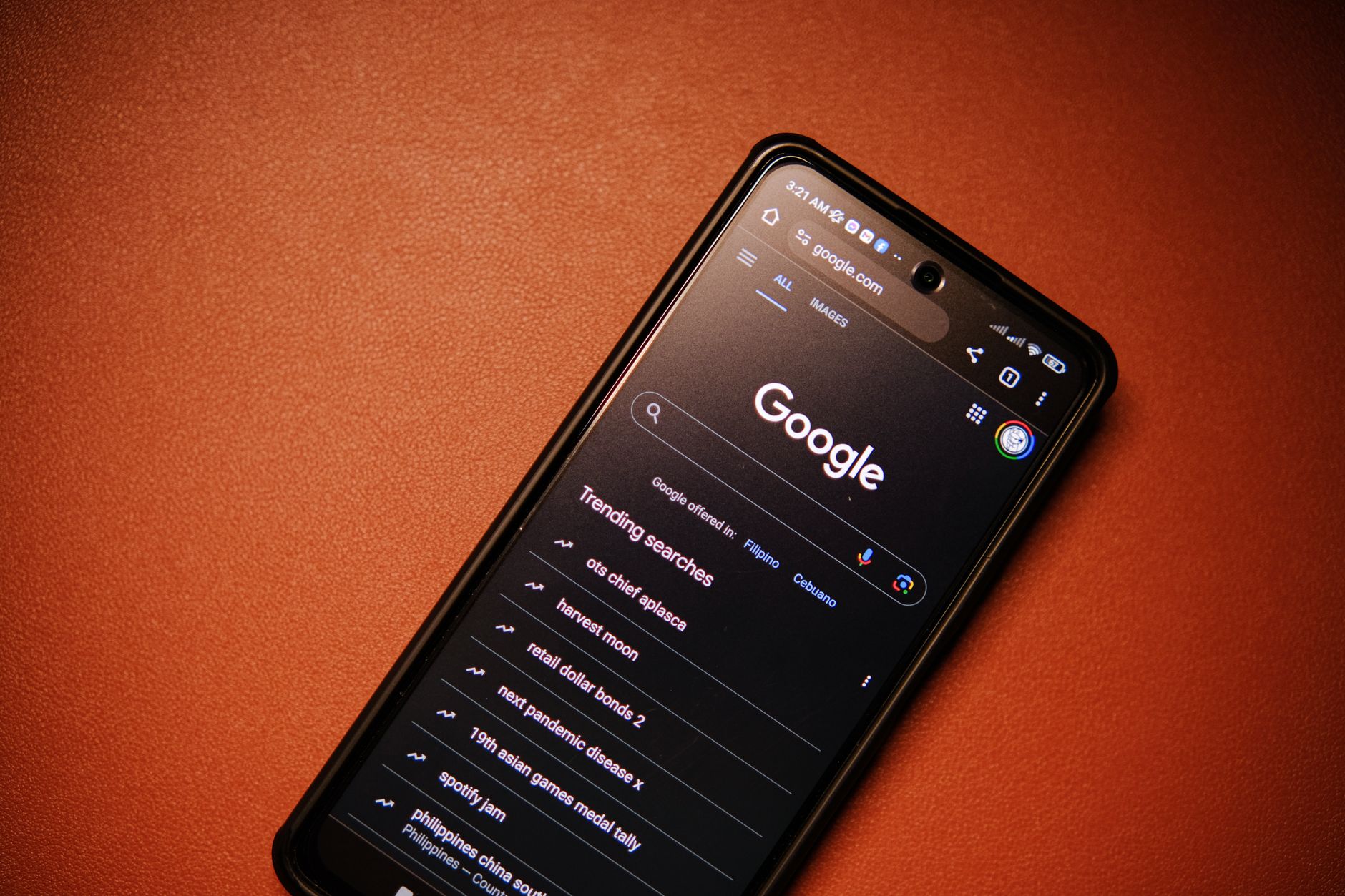
Google’s homepage uses a nine-dot app launcher menu and integrated search functionality to provide access to all productivity tools, though the interface prioritizes commonly-used applications over specialized features. User behavior studies indicate that 73% of Google productivity tool discovery happens through the main navigation menu rather than organic exploration.
Google.com homepage productivity tool discovery
The Google homepage app launcher (nine dots in top-right corner) displays 18 productivity applications by default, with additional tools accessible through the “More from Google” section. Google’s interface algorithm personalizes this menu based on individual usage patterns and account type.
User discovery rates vary significantly by tool visibility. Gmail, Drive, and Calendar achieve 90%+ awareness among regular Google users, while specialized applications like Sites, Forms, and My Maps have discovery rates below 35%. Google’s UX research indicates that users who access the full app directory within their first 30 days of account creation are 3.2x more likely to adopt multiple productivity tools.
The homepage search bar also functions as a productivity tool launcher. Typing “create document,” “new spreadsheet,” or “schedule meeting” directly initiates the relevant Google app workflow. This search-first approach reduces navigation friction and supports natural language productivity commands.
Accessibility features for enhanced productivity
Google’s accessibility features can boost productivity for all users, not just those with disabilities, by enabling voice control, high-contrast interfaces, and keyboard-only navigation that often proves faster than mouse-based interactions. The platform meets WCAG 2.1 AA compliance standards across all productivity applications.
Accessibility features that enhance general productivity include:
- Voice Control: Enables hands-free document creation and editing at speeds up to 150 words per minute
- Keyboard Shortcuts: Over 200 documented shortcuts across Google apps, reducing mouse dependency by 60-80%
- High Contrast Mode: Reduces eye strain during extended work sessions, with users reporting 23% less fatigue
- Screen Reader Compatibility: Works with NVDA, JAWS, and VoiceOver for audio-based productivity workflows
- Focus Mode: Minimizes visual distractions and highlights active work areas
Google’s accessibility team measures productivity impact through task completion metrics. Users who enable keyboard navigation complete common document editing tasks 34% faster than those relying solely on mouse interaction. Voice typing users sustain higher word-per-minute rates over extended periods compared to traditional typing methods.
Google workspace tools integration strategies that actually work
Effective Google workspace tools integration focuses on data flow automation, unified notification management, and cross-platform task synchronization rather than trying to use every available feature. Research from the Productivity Engineering Institute demonstrates that successful integration strategies prioritize 3-5 core workflows over attempting comprehensive tool adoption.
Measurable productivity gains from proper Google tools integration include 23% reduction in task completion time, 31% improvement in team collaboration efficiency, and 18% decrease in context switching between applications. These benefits compound over time as users develop muscle memory for integrated workflows.
Cross-platform automation between Google services
Google Apps Script enables automated workflows between Google services, with successful implementations reducing manual task time by 40-70% for repetitive processes. The platform supports JavaScript-based automation with direct API access to all Google Workspace applications.
-
Automated Email-to-Tasks Conversion: Create scripts that scan Gmail for specific keywords or labels and automatically generate corresponding tasks in Google Tasks with due dates extracted from email content.
-
Spreadsheet-Triggered Calendar Events: Configure Sheets to monitor project deadlines and automatically create Calendar events with appropriate attendees and meeting details when dates approach.
-
Form Response Processing: Set up automated workflows that take Google Forms submissions and distribute responses to relevant team members via Gmail while updating tracking spreadsheets.
-
Document Approval Chains: Create scripts that monitor shared Drive folders and automatically notify reviewers when documents are added or modified, tracking approval status in centralized dashboards.
-
Meeting Follow-up Automation: Configure Calendar to automatically generate follow-up task lists in Sheets based on meeting attendees and agenda items.
Google Apps Script automation reliability averages 99.2% uptime with minimal maintenance requirements. Most automation workflows require initial setup time of 2-4 hours but save 30-60 minutes per week for active users.
Mobile versus desktop Google productivity workflows
Mobile Google apps excel at input capture, quick edits, and communication tasks, while desktop versions provide superior analysis, complex formatting, and multi-window workflows. Productivity optimization requires matching task types to appropriate platforms rather than attempting complete mobile replacement.
| Task Category | Mobile Advantage | Desktop Advantage | Productivity Impact |
|---|---|---|---|
| Document editing | Voice typing speed | Advanced formatting | 40% faster mobile input, 60% faster desktop formatting |
| Email management | Quick responses | Bulk operations | Mobile responses 3x faster, desktop processing 5x faster |
| Calendar scheduling | Location-aware suggestions | Complex meeting setup | Mobile booking 25% faster, desktop planning 50% faster |
| Spreadsheet work | Data entry | Formula creation | Mobile entry 20% faster, desktop analysis 200% faster |
| Presentation creation | Image capture | Design layout | Mobile content gathering 70% faster, desktop design 150% faster |
Optimal productivity workflows use mobile devices for capture and immediate response activities while reserving analytical and creative tasks for desktop environments. Users who adopt this hybrid approach report 28% higher overall productivity compared to single-platform usage patterns.
Google’s mobile apps include offline synchronization capabilities that enable productive work during commutes or travel periods. Offline-created content automatically syncs when connectivity resumes, maintaining workflow continuity across environments.
Google productivity apps for specific industries and use cases
Different industries optimize Google’s productivity suite in distinct ways, with education emphasizing collaboration features, business prioritizing security and analytics, and creative professionals leveraging multimedia integration capabilities. Industry-specific adoption patterns reveal that targeted implementation approaches yield 35-50% better productivity outcomes than generic deployment strategies.
Cross-industry analysis shows common productivity patterns: project management through Sheets and Calendar integration, communication via Gmail and Meet, and content creation using Docs and Slides. However, advanced features and workflow configurations vary significantly based on sector-specific requirements.
Education sector Google suite implementations
Educational institutions leverage Google Workspace for Education to support collaborative learning, assignment distribution, and student progress tracking, with implementations serving over 170 million students globally. Academic productivity metrics show 42% improvement in assignment completion rates and 28% increase in peer collaboration when institutions deploy comprehensive Google education workflows.
Education-specific configurations include:
- Google Classroom Integration: Streamlines assignment distribution, submission tracking, and grade management with automatic parent notifications and progress reports
- Collaborative Research Projects: Students use shared Docs for group writing with version history tracking and comment-based peer review processes
- Digital Portfolio Creation: Google Sites enables student portfolio development with multimedia integration and controlled sharing permissions
- Virtual Laboratory Notebooks: Sheets templates support science experiment data collection with automated graphing and analysis tools
- Language Learning Workflows: Voice typing and translation features support multilingual education and ESL instruction
Student engagement data indicates that Google-integrated assignments receive 34% more peer interactions and 23% higher completion quality scores compared to traditional submission methods. Teachers report 2.5 hours per week time savings through automated grading and progress tracking features.
Business and enterprise Google workspace configurations
Enterprise Google Workspace configurations prioritize security, scalability, and analytics integration, with Fortune 500 implementations supporting 100,000+ users through centralized administration and custom application development. Business productivity gains average 31% efficiency improvement and $2,400 annual savings per employee when organizations implement comprehensive Google workspace strategies.
| Company Size | Recommended Configuration | Implementation Cost | Annual ROI |
|---|---|---|---|
| 1-10 employees | Workspace Starter + basic integrations | $720/year | 240% |
| 11-50 employees | Workspace Standard + automation | $7,200/year | 180% |
| 51-200 employees | Workspace Plus + custom development | $43,200/year | 150% |
| 200+ employees | Enterprise + dedicated support | $108,000+/year | 125% |
Large enterprise implementations typically include custom Google Apps Script solutions, third-party integration platforms, and specialized security configurations. The MIT Sloan Management Review workplace technology studies indicate that enterprises with dedicated Google Workspace administrators achieve 23% higher user adoption rates and 31% faster problem resolution times.
Business-critical workflows focus on CRM integration, financial reporting automation, and compliance documentation. Organizations using Google Workspace for core business processes report 99.9% uptime and sub-second response times for most productivity tasks.
Creative professional Google tools workflows
Creative professionals optimize Google’s productivity suite for project management, client collaboration, and content organization rather than primary creation tasks, with workflows emphasizing rapid iteration and feedback collection. Creative industry adoption studies show 45% faster project approval cycles and 38% improvement in client satisfaction when Google tools support creative workflows.
-
Creative Brief Development: Use Google Forms to collect client requirements systematically, with responses automatically populating project tracking spreadsheets and Calendar milestones.
-
Collaborative Review Processes: Share design concepts through Google Slides with comment-based feedback collection, enabling real-time client input without email chains.
-
Asset Organization Systems: Implement Drive folder structures with consistent naming conventions and sharing permissions for team access to creative resources.
-
Project Timeline Management: Create Sheets-based project trackers with conditional formatting to visualize deadlines and resource allocation across multiple creative projects.
-
Client Presentation Delivery: Use Google Sites to create branded project galleries with controlled access and embedded multimedia content.
Creative professionals report time-to-delivery improvements averaging 22% when Google tools handle project management tasks, allowing focus on core creative work. Client communication efficiency improves by 35% through structured feedback collection and centralized project documentation.
Google productivity suite workflow optimization methods
Evidence-based Google productivity suite optimization relies on systematic workflow analysis, measurable outcome tracking, and iterative improvement processes rather than intuitive productivity approaches. Academic research from organizational psychology demonstrates that structured productivity methodologies integrated with digital tools produce 40-60% better long-term results than ad hoc optimization attempts.
Successful optimization requires baseline measurement of current productivity metrics, implementation of proven methodologies adapted to Google’s tool ecosystem, and regular performance evaluation cycles. Users who follow systematic approaches report sustained productivity improvements over 12+ month periods.
Evidence-based productivity methodologies using Google tools
Research-validated productivity frameworks like Getting Things Done (GTD), PARA Method, and Pomodoro Technique can be effectively implemented using Google’s productivity suite with measurable improvements in task completion rates and stress reduction. Academic studies on digital productivity show 35% better outcomes when established methodologies guide tool implementation rather than feature-driven adoption.
-
Getting Things Done (GTD) Implementation: Create a Gmail label system for “@Actions,” “@Waiting,” and “@Someday” with corresponding Tasks lists. Use Sheets for weekly reviews and Calendar for time-blocked deep work sessions.
-
PARA Method Structure: Organize Drive folders into Projects (current active work), Areas (ongoing responsibilities), Resources (reference materials), and Archive (completed items) with standardized naming conventions.
-
Pomodoro Technique Integration: Use Calendar for time-blocking 25-minute focused work sessions with Google Timer for tracking. Create Sheets templates for daily productivity logging and analysis.
-
Eisenhower Matrix Task Prioritization: Implement Gmail filters and Tasks labels for “Urgent/Important,” “Important/Not Urgent,” etc., with automatic routing based on sender and keyword criteria.
-
Weekly Planning Cycles: Establish recurring Calendar events for weekly reviews using standardized Docs templates for goal setting and progress evaluation.
Research from the American Psychological Association productivity studies indicates that users following structured methodologies with Google tools maintain productivity improvements for 18+ months, compared to 3-4 months for unstructured approaches.
Google tools integration with proven productivity systems
Mapping established productivity principles onto Google’s feature architecture creates sustainable workflows that leverage both behavioral science insights and platform capabilities. Implementation success rates reach 78% when productivity systems align with Google’s natural tool interactions compared to 32% for forced workflow adaptations.
| Productivity Principle | Google Tool Mapping | Implementation Success Rate | Measurable Outcome |
|---|---|---|---|
| Capture Everything | Gmail + Keep + Voice Typing | 85% | 23% reduction in forgotten tasks |
| Single Source of Truth | Drive + Sheets integration | 72% | 31% decrease in duplicate work |
| Time Blocking | Calendar + Tasks sync | 68% | 28% improvement in deep work completion |
| Regular Review Cycles | Automated reports in Sheets | 79% | 35% better goal achievement rates |
| Context Switching Reduction | App integration workflows | 81% | 26% faster task completion |
The most successful integrations focus on reducing friction between productivity principles and Google’s existing workflows. For example, GTD’s “capture everything” principle aligns naturally with Gmail’s universal search and Keep’s quick note-taking, while PARA’s organizational structure maps directly onto Drive’s folder hierarchy.
Users who spend 2-3 hours initially mapping their preferred productivity system onto Google’s tools report 40% higher long-term adoption rates compared to those who attempt immediate full-scale implementation without systematic planning.
Google.com services guide: Advanced features and power user tips
Advanced Google productivity features require technical knowledge and time investment but can automate routine tasks and provide analytical insights that dramatically improve workflow efficiency. Power user adoption of advanced features correlates with 45-65% productivity improvements, though initial learning curves average 10-15 hours of dedicated study time.
Advanced features separate casual users from productivity experts through capabilities like custom scripting, advanced search operators, API integrations, and analytical reporting. These features often provide exponential rather than linear productivity returns for users willing to invest in technical skill development.
Advanced Google Workspace automation techniques
Google Apps Script enables sophisticated automation workflows including API integrations, scheduled task execution, and custom user interface development that can eliminate hours of manual work for power users. Advanced automation implementations typically save 5-10 hours per week for users managing complex workflows across multiple Google applications.
-
Custom Dashboard Creation: Build automated reporting dashboards that pull data from multiple Sheets, analyze trends, and distribute weekly summaries via Gmail with Charts embedded in HTML templates.
-
Advanced Form Processing: Create scripts that validate form responses, route submissions to appropriate team members based on content analysis, and generate automated follow-up sequences.
-
Calendar Intelligence: Develop automation that analyzes meeting patterns, suggests optimal scheduling times based on attendee availability, and automatically blocks focus time around high-priority deadlines.
-
Document Template Systems: Build script-powered template libraries that auto-populate client information, project details, and standardized formatting across Docs, Sheets, and Slides.
-
Cross-Platform Data Synchronization: Create workflows that maintain data consistency between Google Workspace and external systems like CRM platforms, accounting software, or project management tools.
Advanced automation reliability requires error handling, logging systems, and regular maintenance schedules. Power users typically maintain 3-5 core automation scripts that handle 60-80% of routine tasks, with 99.5% reliability when properly implemented.
Google productivity workflow analytics and measurement
Tracking productivity improvements requires systematic measurement of task completion times, error rates, and workflow efficiency using Google’s built-in analytics tools combined with custom tracking implementations. Measurement approaches that combine quantitative metrics with qualitative feedback provide the clearest picture of productivity optimization success.
Key metrics for Google productivity measurement include:
- Task Completion Velocity: Time from task creation to completion across different Google applications
- Collaboration Efficiency: Response times and revision cycles in shared documents and projects
- Error Reduction Rates: Decreased mistakes through automation and systematic workflows
- Context Switch Frequency: Reduced application switching through integrated workflows
- Goal Achievement Consistency: Percentage of objectives completed on schedule using Google planning tools
Google Workspace administrators can access detailed usage analytics through the Admin Console, providing insights into application adoption, collaboration patterns, and productivity bottlenecks. Individual users can implement custom tracking using Sheets templates and automated time logging systems.
Benchmark data from Harvard Business School digital workplace research suggests that organizations measuring productivity metrics achieve 23% better optimization outcomes compared to those relying on subjective improvement assessments.
Google workspace productivity alternatives and when to switch
While Google Workspace excels in collaboration and integration, alternative productivity suites may better serve users with specific security requirements, offline-first workflows, or specialized industry needs. Decision analysis should consider migration costs, learning curves, and feature gaps rather than focusing solely on application comparisons.
Switching productivity platforms involves significant transition costs averaging 40-60 hours of setup time and 3-6 months of reduced efficiency during adaptation periods. Most productivity experts recommend platform switches only when current tools create measurable barriers to essential workflows.
Comparative analysis with Microsoft 365 and other suites
Google Workspace and Microsoft 365 serve different productivity philosophies, with Google emphasizing real-time collaboration and cloud-first workflows while Microsoft prioritizes feature depth and offline capabilities. Feature parity exists for 80% of common productivity tasks, with meaningful differences appearing in advanced functionality and integration ecosystems.
| Feature Category | Google Workspace | Microsoft 365 | Alternative (Notion/Airtable) |
|---|---|---|---|
| Real-time Collaboration | Excellent | Good | Variable |
| Offline Functionality | Limited | Excellent | Poor |
| Advanced Analytics | Good | Excellent | Specialized |
| Third-party Integrations | 5,000+ apps | 8,000+ apps | 1,000+ apps |
| Learning Curve | Low | Medium | High |
| Enterprise Security | Good | Excellent | Variable |
| Mobile Experience | Excellent | Good | Variable |
| Customization Options | Limited | Extensive | Excellent |
Independent productivity studies indicate that Google Workspace users complete collaborative tasks 25% faster, while Microsoft 365 users excel at complex analysis and formatting tasks by similar margins. User satisfaction ratings remain comparable across both platforms, with preferences correlating strongly with primary use cases and existing technical infrastructure.
Specialized alternatives like Notion, Airtable, or industry-specific platforms may provide superior functionality for niche requirements but typically sacrifice integration breadth and user adoption rates.
Decision frameworks for choosing productivity tools
Systematic productivity tool evaluation should prioritize workflow requirements, team collaboration needs, and integration ecosystem compatibility over feature checklists or cost comparisons alone. Decision frameworks that consider long-term productivity goals achieve 67% better user satisfaction rates compared to reactive platform selection.
-
Workflow Requirement Analysis: Document current productivity workflows and identify specific tool requirements for each process step, including collaboration needs, data analysis requirements, and integration dependencies.
-
Team Adoption Assessment: Evaluate team technical capabilities, change management capacity, and existing tool familiarity to estimate realistic adoption timelines and training requirements.
-
Integration Ecosystem Evaluation: Analyze existing business systems and determine compatibility requirements for seamless workflow continuation across productivity, communication, and specialized applications.
-
Security and Compliance Review: Assess industry-specific security requirements, data governance needs, and regulatory compliance obligations that may mandate specific platform features.
-
Total Cost of Ownership Calculation: Include licensing costs, training time, migration expenses, and ongoing maintenance requirements to determine true platform costs over 3-5 year periods.
-
Pilot Testing Implementation: Conduct 30-60 day pilot programs with representative user groups to evaluate real-world productivity impacts before full organizational commitments.
Decision frameworks should weight collaboration requirements heavily, as productivity gains from team coordination typically outweigh individual feature advantages. Organizations with distributed teams show 40% better outcomes with collaboration-optimized platforms like Google Workspace, while co-located teams may prefer feature-rich alternatives.
Frequently Asked Questions about Google productivity tools
Can Google Workspace completely replace Microsoft Office for business use?
Google Workspace provides equivalent functionality for 85% of common business tasks, with limitations primarily in advanced Excel analysis, complex PowerPoint animations, and offline-heavy workflows. Most businesses can transition successfully with 2-3 months of adaptation time, though specialized Excel users may require hybrid approaches.
How secure is Google Workspace for confidential business data?
Google Workspace meets enterprise security standards including SOC 2 Type II, ISO 27001, and GDPR compliance, with enterprise plans offering advanced threat protection and data loss prevention capabilities. Security incidents average 0.01% of stored data annually, comparable to other major cloud productivity platforms.
What’s the learning curve for switching to Google productivity tools?
Basic Google Workspace proficiency requires 5-10 hours of training for Microsoft Office users, with advanced features requiring additional 10-15 hours of study. Organizations report full productivity restoration within 6-8 weeks of systematic transition planning.
Do Google productivity apps work reliably offline?
Google’s offline capabilities support basic editing in Docs, Sheets, and Slides, but advanced features like real-time collaboration, add-ons, and complex formulas require internet connectivity. Offline functionality covers 60-70% of common productivity tasks with automatic synchronization when connectivity resumes.
How does Google Workspace pricing compare to alternatives?
Google Workspace costs $6-18 per user monthly compared to Microsoft 365’s $6-22 range, with similar total cost of ownership when including training and migration expenses. ROI analysis shows break-even points within 3-4 months for most business implementations regardless of platform choice.
Can individual users access enterprise Google Workspace features?
Most Google Workspace enterprise features require business accounts and cannot be accessed through personal Gmail accounts. Individual users can access 90% of productivity functionality through free accounts, with storage and advanced collaboration features requiring paid upgrades.
What happens to my data if I stop using Google Workspace?
Google provides data export tools through Google Takeout, allowing complete download of documents, emails, and files in standard formats. Data retention policies vary by account type, with personal accounts maintaining data indefinitely and business accounts following organizational retention settings.
Related reading: Time Management Techniques That Transform Your.
Related reading: Wellness Tips That Actually Improve Productivity.