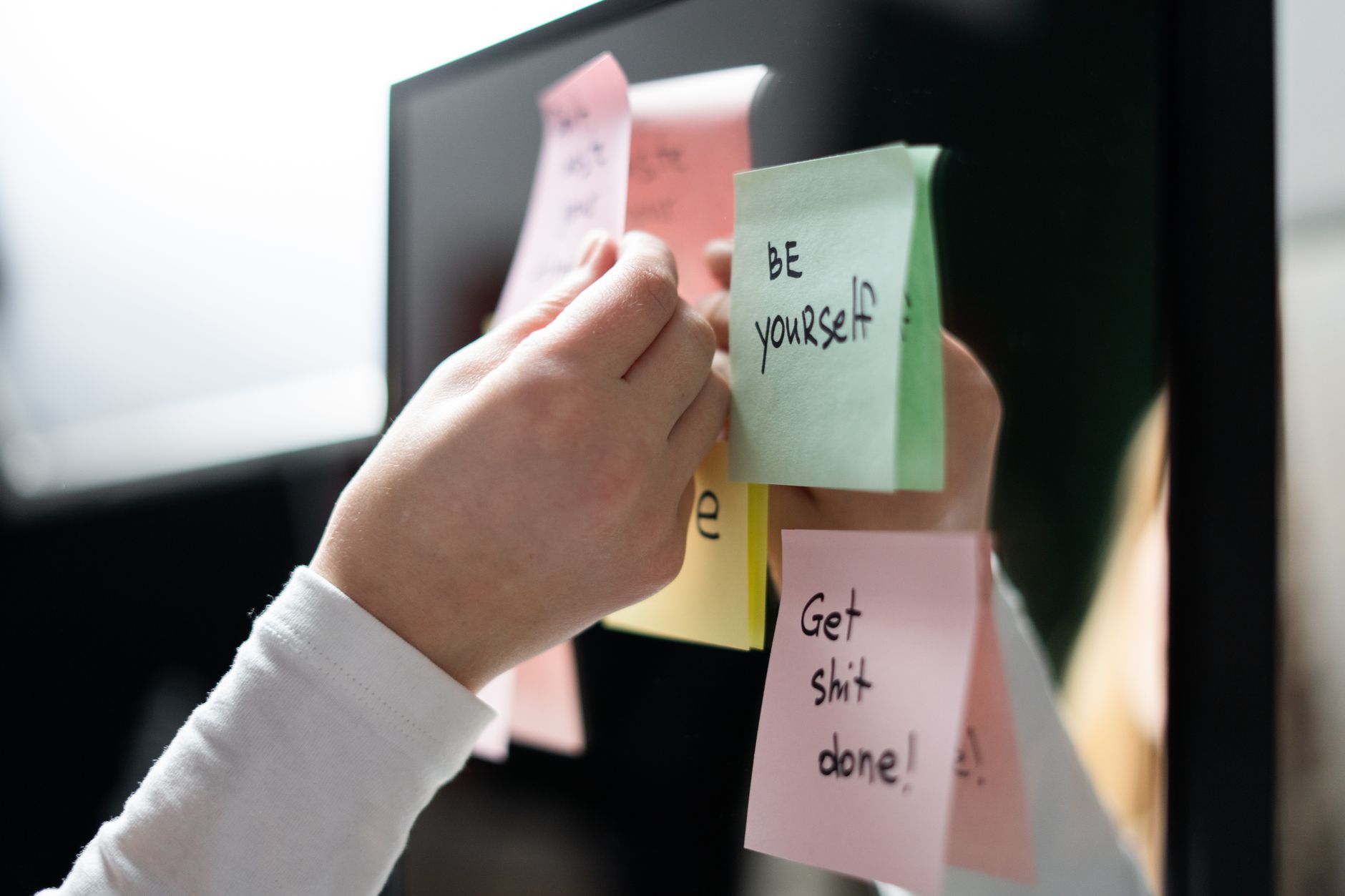
Productivity hacks are systematic techniques designed to help you accomplish more meaningful work in less time by optimizing how you manage attention, energy, and resources. Unlike trendy shortcuts that promise instant results, genuine productivity methods are grounded in behavioral science and proven through repeated use across diverse contexts.
• Understanding Productivity Hacks and Their Limitations
• Evidence-Based Techniques That Actually Work
– Time-blocking and calendar management
– Environment optimization
– Energy management strategies
• Productivity Hacks for Specific Situations
– Students and academic work
– ADHD and attention challenges
– Remote workers and burnout prevention
– Creative professionals and artists
– Parents working from home
– Shift workers and non-traditional schedules
– Chronic illness and disabilities
• Essential Resources and Tools
• Frequently Asked Questions
Understanding Productivity Hacks and Their Limitations
Most productivity hacks fail because they promise systemic change through surface-level adjustments. Real productivity improvement requires understanding your specific constraints, work patterns, and cognitive tendencies. The term “hack” itself implies a shortcut, but sustainable productivity comes from developing consistent practices over time.
The productivity hacks meaning has evolved significantly since the concept gained popularity. Originally referring to clever workarounds for technical limitations, it now encompasses any technique claiming to boost efficiency. However, research from workplace psychology shows that lasting productivity improvements come from addressing fundamental work design issues rather than applying quick fixes.
Reddit discussions about productivity reveal a common pattern: users initially experience enthusiasm for new techniques, followed by abandonment when the novelty wears off. The most upvoted productivity hacks reddit threads typically feature simple, sustainable methods rather than complex systems.
Evidence-Based Techniques That Actually Work
Time-Blocking and Calendar Management
Time-blocking involves dedicating specific calendar slots to particular types of work, creating structure without rigidity. This technique works because it reduces decision fatigue and creates clear boundaries around focused work time.
Effective time-blocking requires matching task types to your energy patterns. Schedule demanding creative work during your peak focus hours, typically 2-4 hours after waking for most people. Use lower-energy periods for administrative tasks, email processing, and routine maintenance work.
The American Psychological Association’s research on workplace stress demonstrates that predictable work structures reduce cortisol levels and improve sustained attention. Time-blocking creates this predictability without sacrificing flexibility.
Environment Optimization
Your physical and digital environments significantly impact cognitive performance, often more than motivation or willpower. Small environmental changes can eliminate friction points that drain mental energy throughout the day.
Physical environment factors include lighting quality, noise levels, temperature, and visual organization. Natural light exposure during work hours helps maintain circadian rhythms, while consistent workspace organization reduces cognitive load from visual scanning.
Digital environment optimization involves managing notifications, organizing file systems, and creating friction around distracting applications. Most productivity apps fail because they add complexity rather than reducing it.
Energy Management Strategies
Managing energy levels matters more than managing time because all hours are not created equal in terms of cognitive capacity. Understanding your ultradian rhythms—natural 90-120 minute cycles of alertness—allows for better work scheduling.
Effective energy management includes strategic break timing, nutrition choices that support stable blood sugar, and recognition of your personal recharge activities. The Centers for Disease Control workplace health guidelines emphasize that sustainable productivity requires addressing fundamental health factors.
Key Takeaway: The most effective productivity techniques work with your natural cognitive patterns rather than fighting against them.
Productivity Hacks for Specific Situations
Productivity Hacks for Students
Students benefit most from techniques that account for irregular schedules, varied task types, and developing executive function skills. The most effective productivity hacks for students focus on creating external structure to support internal development.
Active recall techniques prove more effective than passive review methods. Instead of highlighting text, students should practice retrieving information from memory, testing themselves frequently, and explaining concepts aloud. This builds both understanding and retention.
Project breakdown strategies help manage large assignments. Divide major projects into specific, actionable tasks with clear completion criteria. “Write introduction” becomes “Draft 200-word introduction explaining the three main arguments” with a specific deadline.
Productivity Hacks for ADHD
ADHD brains respond well to external structure, immediate feedback, and variety in work approaches. Traditional productivity advice often assumes neurotypical attention patterns and fails for people with ADHD.
Effective productivity hacks for ADHD include body doubling (working alongside others virtually or in person), using timers for both work sessions and breaks, and creating highly specific task descriptions. Vague goals like “clean office” become “file papers in desk drawer, empty trash bin, organize pens in cup holder.”
Transition rituals help manage the ADHD challenge of task switching. Create specific sequences for starting work, changing between different types of tasks, and ending work sessions. These rituals provide external cues that support internal cognitive transitions.
Remote Work Burnout Prevention
Remote work burnout often stems from blurred boundaries, social isolation, and the absence of natural transition cues found in traditional offices. Effective techniques address these specific challenges rather than general productivity issues.
Boundary creation requires both temporal and spatial elements. Establish specific start and stop times, create physical cues that signal work mode (like putting on specific clothes or setting up a dedicated workspace), and develop shutdown rituals that clearly end the workday.
Social connection strategies include scheduled video calls with colleagues for non-work conversation, virtual coworking sessions, and participation in professional communities. The Bureau of Labor Statistics remote work data shows that social connection significantly impacts remote worker satisfaction and productivity.
Creative Professionals and Artists
Creative work requires balancing structure with spontaneity, managing irregular inspiration patterns, and protecting time for both execution and experimentation. Standard productivity advice often conflicts with creative processes.
Creative productivity benefits from separating generative work (brainstorming, sketching, experimenting) from evaluative work (editing, refining, finalizing). Schedule these different modes for different times, as they require different mental states and energy levels.
Project portfolio management helps balance creative exploration with practical deadlines. Maintain multiple projects in different phases simultaneously—some in early exploration, others in active development, and others in final refinement.
Parents Working from Home
Parents working from home face unique challenges including constant interruptions, competing priorities, and limited control over their schedule. Effective techniques acknowledge these constraints rather than ignoring them.
Micro-productivity sessions work better than extended focus blocks. Prepare tasks that can be completed in 15-30 minute segments, with clear stopping points that allow for interruptions. Keep a “quick wins” list of small tasks that can be completed during brief windows.
Family schedule integration requires communication and planning. Share your most important work blocks with family members, create visual signals for “do not disturb” times, and establish specific spaces or times for different types of work.
Shift Workers and Non-Traditional Schedules
Non-traditional work schedules disrupt natural circadian rhythms and make standard productivity advice ineffective. Successful techniques work with biological realities rather than fighting against them.
Light exposure management becomes crucial for shift workers. Use bright light during work hours and limit blue light exposure before sleep periods. Blackout curtains, sleep masks, and consistent sleep schedules help maintain circadian stability despite irregular work hours.
Energy mapping requires tracking your alertness patterns during different shifts and scheduling demanding tasks during peak periods. Night shift workers often experience peak alertness 3-4 hours into their shift rather than at the beginning.
Chronic Illness and Disabilities
Productivity approaches must account for variable energy levels, medical appointments, and the need for frequent adjustments to plans and systems. Flexibility becomes more important than efficiency.
Spoon theory application helps manage limited energy resources. Plan demanding tasks for high-energy periods, maintain easy backup options for low-energy days, and build buffer time around medical appointments and treatment requirements.
Adaptive tools and accommodations can significantly improve productivity. Voice-to-text software, ergonomic equipment, and flexible scheduling arrangements address specific challenges while maintaining work quality.
Key Takeaway: The most effective productivity approaches are tailored to your specific situation rather than following universal formulas.
Essential Resources and Tools
While productivity tools cannot replace good systems, certain resources can support effective practices. The most reliable productivity hacks book recommendations focus on evidence-based approaches rather than motivational content.
Digital tools should simplify rather than complicate your workflow. Many people search for productivity hacks book pdf versions of popular titles, but the most valuable resources are often freely available research papers and government health guidelines rather than commercial productivity guides.
Physical tools that consistently prove helpful include a reliable timer, quality lighting, comfortable seating, and simple organization systems. Expensive gadgets rarely provide proportional productivity improvements.
The National Institute for Occupational Safety and Health recommendations provide evidence-based guidelines for creating productive work environments without commercial bias.
Productivity Hacks for Employees in Different Contexts
Employee productivity depends heavily on organizational culture, available resources, and management support. Individual productivity hacks for employees work best when they align with rather than conflict with workplace expectations.
Communication strategies help employees implement personal productivity systems within organizational constraints. Discuss calendar blocking with supervisors, negotiate focused work time, and clarify priorities when multiple urgent tasks compete for attention.
Documentation practices protect both individual productivity and team coordination. Maintain clear records of task progress, decision rationale, and resource requirements. This reduces redundant communication and supports better project planning.
Frequently Asked Questions
What makes a productivity hack actually effective?
Effective productivity hacks address specific constraints rather than promising universal solutions. They work with your natural patterns, reduce rather than increase complexity, and can be maintained consistently over time without constant motivation.
How do I know if a productivity method is working?
Measure outcomes that matter to you rather than activity metrics. Track whether you’re completing important projects, feeling less stressed about deadlines, or having more time for priorities outside work. Avoid measuring busy work or task completion rates without considering task importance.
Why do most productivity systems fail?
Most productivity systems fail because they require more energy to maintain than they provide in benefits. They often assume unlimited willpower, ignore individual differences, or focus on optimization rather than addressing fundamental workflow problems.
Should I try multiple productivity techniques simultaneously?
Implement one technique at a time and test it for at least two weeks before adding others. Multiple simultaneous changes make it impossible to identify what’s working and can create unsustainable complexity.
How do productivity needs change over time?
Productivity systems require periodic review and adjustment as your responsibilities, energy levels, and life circumstances change. What works during one life phase may become ineffective during another. Build review periods into your calendar to assess and adjust your approaches.
Are there productivity techniques that work for everyone?
No productivity technique works universally, but some principles apply broadly. Most people benefit from some form of external structure, clear priorities, and alignment between their energy patterns and task demands. The specific implementation varies significantly between individuals.
How can I maintain productivity improvements long-term?
Focus on building sustainable habits rather than maximizing short-term output. Create systems that work even when motivation is low, build in recovery time, and regularly assess whether your methods still serve your current goals and constraints.**
Related reading: 97 Wellness Tips for Better Health.
Related reading: Wellness Tips That Actually Improve Productivity.